Loading Go-LX...
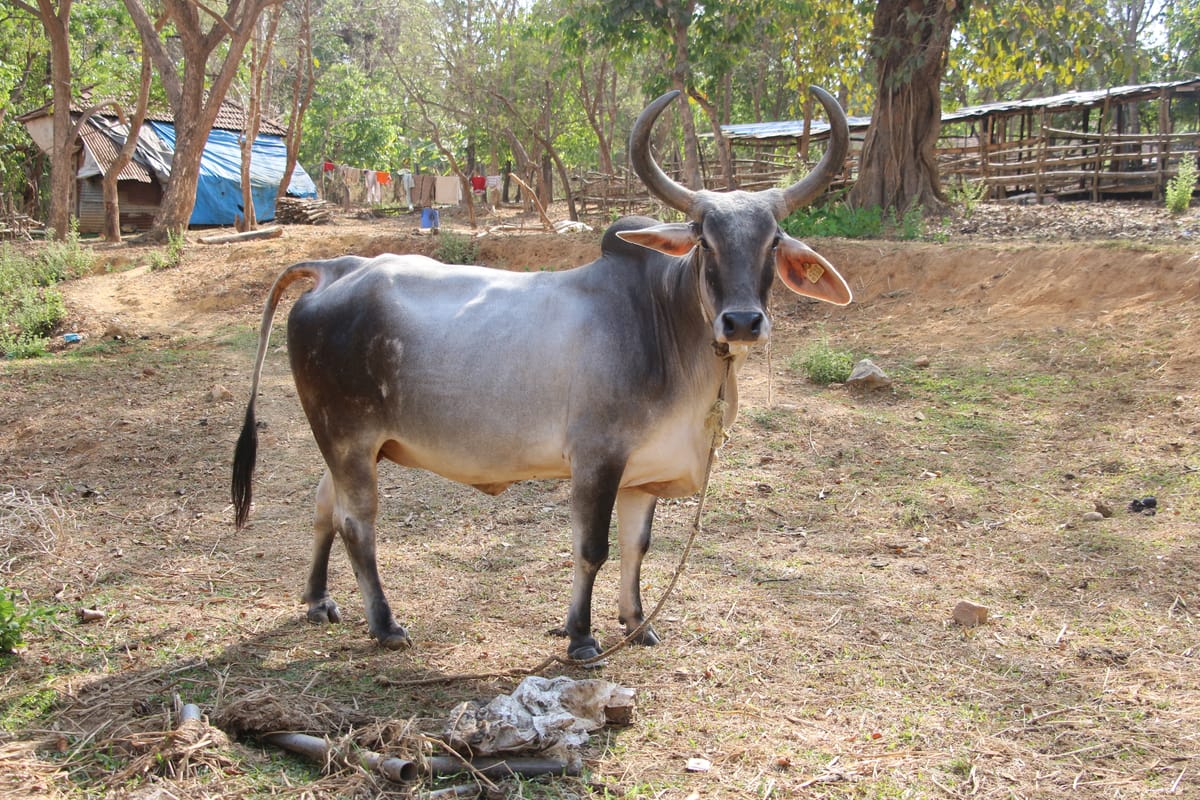
View Full Image
সংবেদনশীল Gujarat A2 দুধ
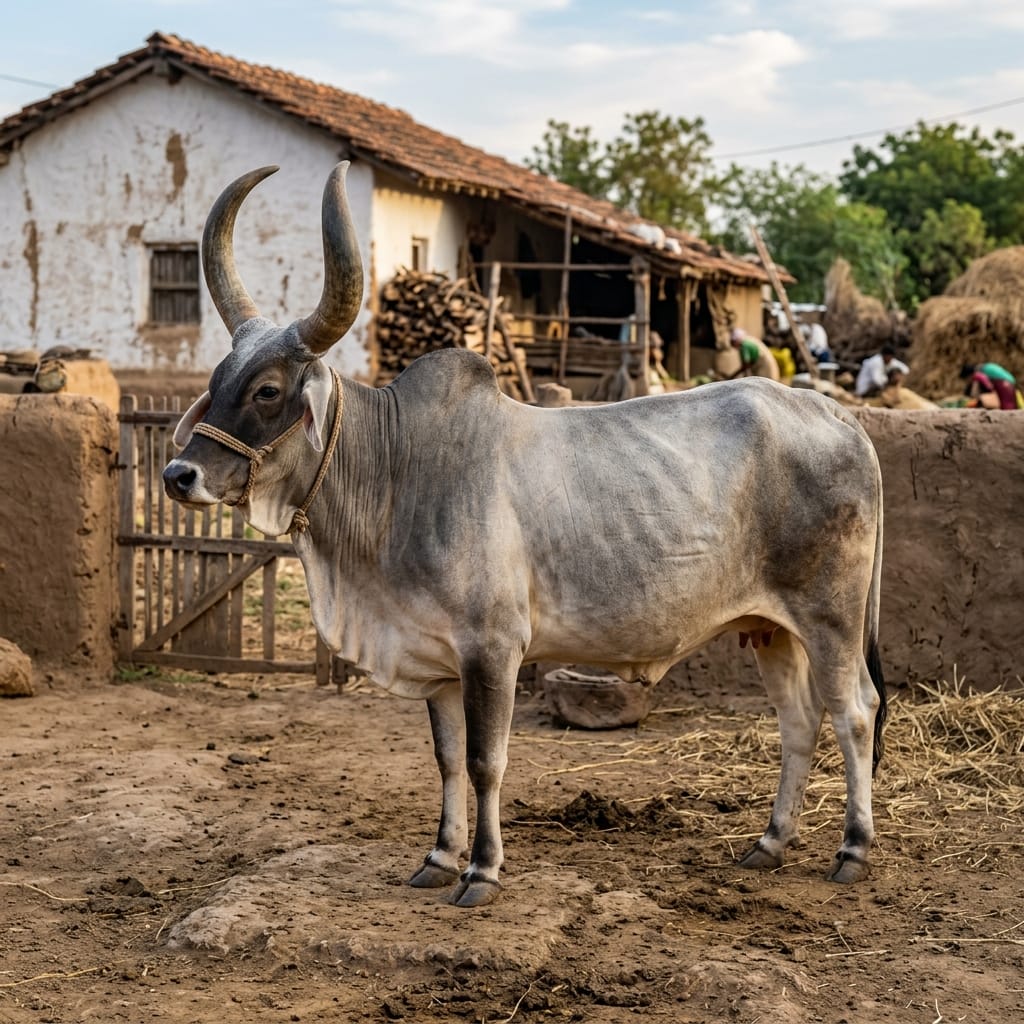
Kankrej গরু
કાંકરેજ
অন্য নাম: Wagad, Wadhiar, Talabda, Nagar
গুজরাটের অনুর্বর জমির লম্বা-উচ্চতার দুধ-টানাকারী প্রজাতি।
আদি অঞ্চল: কচ্ছ, বনসকান্ঠা, মেহসানা, পাটান; রাজস্থানের বাড়মের এবং যোধপুর পর্যন্ত
Photo: Wikimedia Commons contributors · CC BY-SA
দৈনিক দুধ (সর্বোচ্চ)
6–10 L
প্রতি ল্যাকটেশন দুধ (~300 দিন)
1,300–2,800 L
দুধের চর্বি
4.0–4.8%
প্রাপ্তবয়স্ক ওজন
400–500 kg
স্বতন্ত্র বৈশিষ্ট্য
চামড়া/রোম: রূপালি-ধূসর থেকে লোহার-ধূসর; পুরুষ গরুর চেয়ে গাঢ়।
- শক্তিশালী, সুপেশীবহুল শরীর — দেশীয় ভারতীয় দ্বৈত-উদ্দেশ্য প্রজাতিগুলির মধ্যে বৃহত্তম
- চামড়া দিয়ে অর্ধেক পর্যন্ত ঢাকা লায়ার-আকৃতির শিং
- দৃঢ়ভাবে বিকশিত কুঁজ
- স্থির, মাটি-ঢাকা গতি (সাওয়াই-চাল) — দ্রুত দীর্ঘ দূরত্ব অতিক্রম করার জন্য পরিচিত
মেজাজ এবং উপযোগিতা
- প্রিমিয়ার টানকারী প্রজাতি — ষাঁড়রা ভারী গাড়িগুলিকে অবিরাম গতিতে টানে
- দ্বৈত-উদ্দেশ্য প্রজনন সত্ত্বেও গরু সম্মানজনক দুধ দেয়
- তাপ এবং খরা সহনশীল
- দীর্ঘ উৎপাদনশীল জীবন — 12+ ল্যাকটেশন অসাধারণ নয়
ইতিহাস এবং বংশানুক্রম
কাংকরেজের নাম এসেছে বনসকান্ঠার কাংকরেজ তালুক থেকে। এই প্রজাতি ঐতিহাসিকভাবে গুজরাট এবং রাজস্থানের বণিক কাফেলার কেন্দ্র ছিল — কাংকরেজ গরুর গাড়ি 8–10 কিমি/ঘণ্টায় তুলা, লবণ এবং শস্য পরিবহন করত। যান্ত্রিকীকরণের সাথে, টানার বাজার ভেঙে পড়ে; আজ কাংকরেজ প্রধানত গোশালা এবং গুজরাট পশুপালন বিভাগ দ্বারা রক্ষণাবেক্ষণকৃত দ্বৈত-উদ্দেশ্য প্রজাতি হিসাবে টিকে আছে।
Kankrej কেন গুরুত্বপূর্ণ
কাংকরেজ একটি দ্বৈত-উদ্দেশ্যের প্রজাতি — খামারে কাজ করা কাংকরেজ গরু মূলত একটি খামারে দুটি আয়ের প্রবাহ অফার করে। শুষ্ক গুজরাট/রাজস্থানের জন্য সহনশীলতা এবং কঠোরতা এটিকে শীর্ষ পছন্দ করে তোলে।
Kankrej cow price in India
Typical milking cow
₹50,000 – 1,10,000
Healthy, regular yield
Elite / registered lines
₹1,80,000 – 5,00,000
High yield, pedigreed
Kankrej is a dual-purpose breed — bullocks command serious premiums in north Gujarat and Rajasthan farming circuits. A good Kankrej bullock pair can cost more than a milking cow.
Monthly maintenance cost
Feed
₹4,000 – 6,000
Vet + vax
₹400 – 900
Approx. total
₹5,000 – 7,500
Kankrej is a large-framed breed (450–550 kg) so feed cost runs higher than Gir or Red Sindhi. Field grazing in the Banaskantha-Kachchh belt offsets this for traditional owners.
A2 milk
Is Kankrej cow milk A2?
Yes. Kankrej produces A2 beta-casein milk by genetics — like all pure indigenous Indian (Bos indicus) breeds.
- A2 milk with 4.5–5.0% fat — typical zebu profile.
- Strong draught capability means a working Kankrej cow on a farm is essentially two income streams in one.
- Disease and drought tolerance make it a top pick for arid Gujarat / Rajasthan.
- Milk yield is lower than Gir/Sahiwal but bullock value compensates economically.
How to verify
Visual cues: silver-grey to iron-grey coat, distinctive lyre-shaped horns rising upward from a broad forehead, large dewlap. Pure Kankrej has a confident, alert gait — the breed was traditionally used by the Banni nomads to pull heavy carts across desert sand.
Kankrej vaccination schedule
Standard DAHD / ICAR schedule for indigenous Indian dairy cattle. Always confirm timing with your local vet.
| First dose | Vaccine | Cadence |
|---|---|---|
Compare Breeds
Select any two indigenous breeds to compare side-by-side.
| Feature | Kankrej | Gir |
|---|---|---|
| Origin | Gujarat | Gujarat |
| Daily Milk Yield | 6–10 L | 8–12 L |
| Lactation Yield | 1,300–2,800 L | 1,800–3,500 L |
| Milk Fat % | 4.0–4.8% | 4.5–5.0% |
| Adult Weight | 400–500 kg | 380–475 kg |
| Status | Vulnerable | Stable |
| Coat Color | রূপালি-ধূসর থেকে লোহার-ধূসর; পুরুষ গরুর চেয়ে গাঢ়। | উজ্জ্বল লাল বা লাল-সাদা চিতিময়; কখনো কখনো বিশুদ্ধ সাদা। লালচে-হলুদ মুখ। |
| Milking Price | ₹50,000 – 1,10,000 | ₹50,000 – 1,20,000 |
| Maintenance | ₹5,000 – 7,500/mo | ₹4,500 – 7,000/mo |