થરપારકર: ધ ડેઝર્ટ સર્વાઈવર
થારના રણમાં ઉછેરવામાં આવતી, થરપારકર એક સખત, દ્વિ-ઉદ્દેશની જાતિ છે જે અન્ય પશુઓ જ્યાં નિષ્ફળ જાય છે ત્યાં ખીલે છે. ભારતીય ખેડૂતો માટે તેના અનન્ય લક્ષણો અને મૂલ્ય શોધો.
સિંધ અને પશ્ચિમ રાજસ્થાનના થાર પારકર પ્રદેશ પરથી નામ આપવામાં આવ્યું છે, થરપારકર એ ભારતની સૌથી અઘરી અને સર્વતોમુખી સ્વદેશી જાતિઓમાંની એક છે. તે સારું દૂધ ઉત્પન્ન કરે છે, ઉબડખાબડ પ્રદેશમાં ભારે ગાડીઓ ખેંચે છે અને ભારે ગરમીમાં છૂટાછવાયા ચારા પર ટકી રહે છે - તે રાજસ્થાન, ગુજરાત અને શુષ્ક મધ્ય પ્રદેશના ખેડૂતો માટે અનિવાર્ય બનાવે છે.
થરપારકર શા માટે મહત્વપૂર્ણ છે
થરપારકર એ દ્વિ-ઉદ્દેશની જાતિ છે, જે માટે સમાન મૂલ્ય છે:
- દૂધ ઉત્પાદન — સરેરાશ 7-10 લિટર પ્રતિ દિવસ
- ડ્રૉટ વર્ક — મજબૂત, સ્થિર કામ કરતા બુલ્સ
- કઠોર પરિસ્થિતિઓમાં ટકી રહેવું — ભારે ગરમી, ધૂળના તોફાન અને પાણીની અછત સહન કરે છે
- ઓછી જાળવણી — મોટી જાતિઓ કરતાં ઓછું ખાય છે અને ઉષ્ણકટિબંધીય રોગોનો પ્રતિકાર કરે છે
એકને કેવી રીતે ઓળખવું
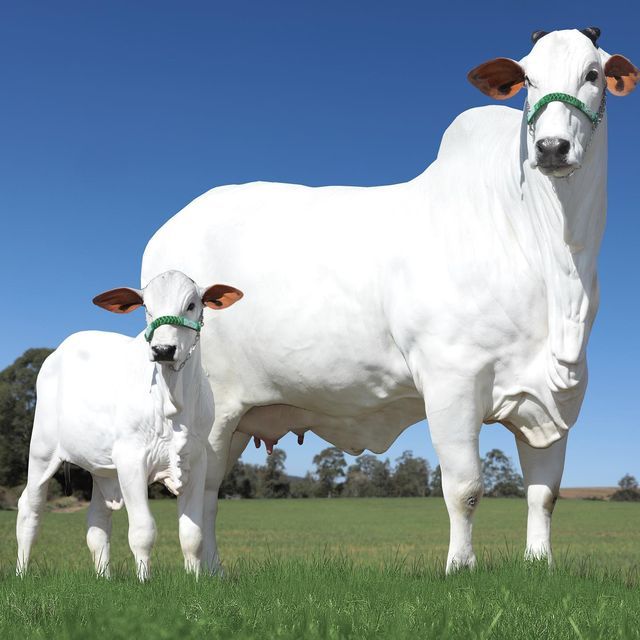
- કોટ: સફેદ અથવા આછો રાખોડી, ક્યારેક થોડો લાલ રંગનો રંગ
- શિંગડા: મધ્યમ કદના, ઉપર અને બહારની તરફ વળાંકવાળા
- હમ્પ: સારી રીતે વિકસિત, ખાસ કરીને બુલ્સમાં
- કાન: મધ્યમ, સહેજ ઝૂલતા
- બિલ્ડ: કોમ્પેક્ટ અને સારી રીતે સ્નાયુબદ્ધ
- સરેરાશ વજન: ગાય 350–410 કિગ્રા, બળદ 500-550 કિગ્રા
દૂધ ઉત્પાદન
થરપારકર ગાયો 2,200-3,000 લીટર પ્રતિ સ્તનપાન ઉત્પન્ન કરે છે, જેમાં બટરફેટનું પ્રમાણ લગભગ 4.5% છે. સાહિવાલ જેટલું ઊંચું ઉત્પાદન આપતું ન હોવા છતાં, થરપારકરનું દૂધ સમૃદ્ધ છે, ગાય અપવાદરૂપે ઓછી જાળવણી કરે છે, અને ફીડ કન્વર્ઝન ઉત્તમ છે.