Loading Go-LX...
View Full Image
સંવેદનશીલ Gujarat A2 દૂધ
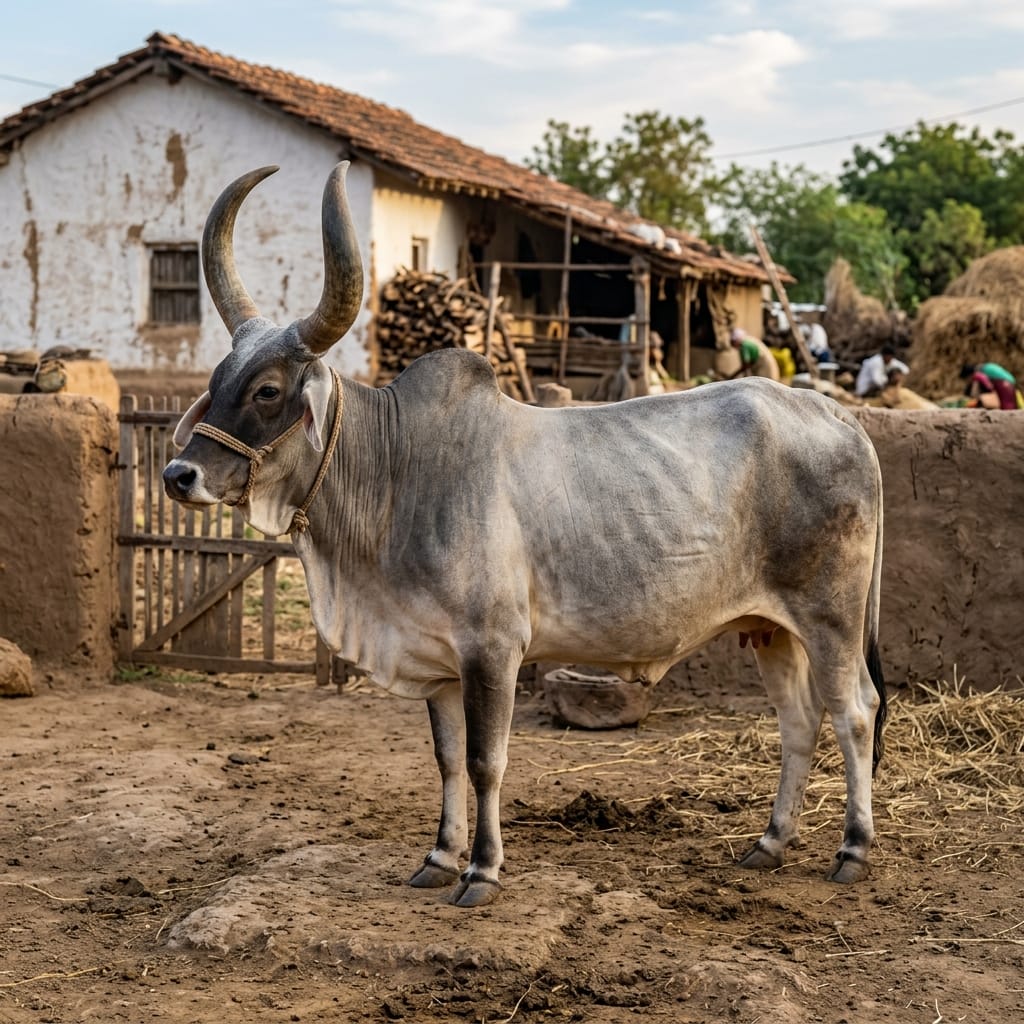
Kankrej ગાય
કાંકરેજ
અન્ય નામો: Wagad, Wadhiar, Talabda, Nagar
ગુજરાતની બંજર ભૂમિની ઊંચા-કદની દૂધ-ખેંચાણ જાતિ.
મૂળ ક્ષેત્ર: કચ્છ, બનાસકાંઠા, મહેસાણા, પાટણ; રાજસ્થાનના બાડમેર અને જોધપુર સુધી
Photo: Wikimedia Commons contributors · CC BY-SA
દૈનિક દૂધ (મહત્તમ)
6–10 L
પ્રતિ વેતર દૂધ (~300 દિવસ)
1,300–2,800 L
દૂધ ચરબી
4.0–4.8%
પુખ્ત વજન
400–500 kg
વિશિષ્ટ લક્ષણો
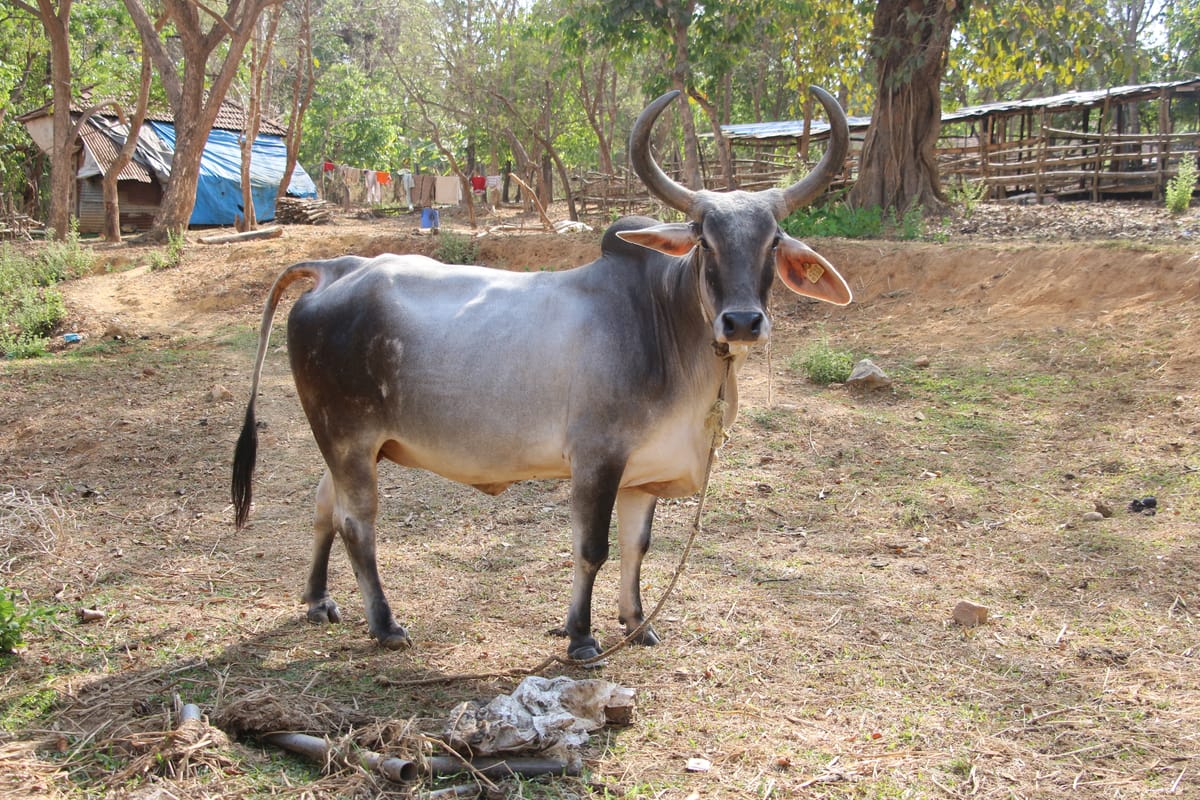
રોમ/ત્વચા: ચાંદી-ધૂસરથી લોખંડ-ધૂસર; નર ગાય કરતાં ઘેરા.
- શક્તિશાળી, સારી રીતે માંસપેશીય શરીર — સ્વદેશી ભારતીય દ્વિ-હેતુ જાતોમાં સૌથી મોટી
- ચામડીથી અડધે સુધી ઢંકાયેલા લાયર-આકારના શિંગડા
- મજબૂત રીતે વિકસિત ખૂંધ
- સ્થિર, જમીન-આચ્છાદિત ચાલ (સવાઈ-ચાલ) — ઝડપથી લાંબા અંતર કાપવા માટે જાણીતી
સ્વભાવ અને ઉપયોગિતા
- પ્રીમિયર કર્ષણ જાતિ — બળદ ભારે ગાડીઓને સતત ગતિએ ખેંચે છે
- દ્વિ-હેતુ સંવર્ધન છતાં ગાય સન્માનજનક દૂધ આપે છે
- ગરમી અને દુષ્કાળ સહનશીલ
- લાંબું ઉત્પાદક જીવન — 12+ લેક્ટેશન અસામાન્ય નથી
ઇતિહાસ અને વંશાવલિ
કાંકરેજનું નામ બનાસકાંઠાના કાંકરેજ તાલુકાથી લેવાયું છે. આ જાતિ ઐતિહાસિક રીતે ગુજરાત અને રાજસ્થાનના વેપારી કાફલાનું કેન્દ્ર હતી — કાંકરેજ બળદ ગાડીઓ કપાસ, મીઠું અને અનાજને 8–10 કિમી/કલાકની ઝડપે ખસેડતી હતી. યાંત્રિકરણ સાથે, કર્ષણ બજાર ભાંગી પડ્યું; આજે કાંકરેજ મુખ્યત્વે ગૌશાળાઓ અને ગુજરાત પશુપાલન વિભાગ દ્વારા જાળવવામાં આવેલી દ્વિ-હેતુ જાતિ તરીકે ટકી રહી છે.
Kankrej કેમ મહત્વપૂર્ણ છે
કાંકરેજ બેવડા-હેતુવાળી જાતિ છે — ખેતરમાં કાર્યરત કાંકરેજ ગાય આવશ્યક રીતે એક ખેતર પર બે આવક પ્રવાહો આપે છે. શુષ્ક ગુજરાત/રાજસ્થાન માટે સહનશીલતા અને કઠોરતા તેને ટોચની પસંદગી બનાવે છે.
Kankrej cow price in India
Typical milking cow
₹50,000 – 1,10,000
Healthy, regular yield
Elite / registered lines
₹1,80,000 – 5,00,000
High yield, pedigreed
Kankrej is a dual-purpose breed — bullocks command serious premiums in north Gujarat and Rajasthan farming circuits. A good Kankrej bullock pair can cost more than a milking cow.
Monthly maintenance cost
Feed
₹4,000 – 6,000
Vet + vax
₹400 – 900
Approx. total
₹5,000 – 7,500
Kankrej is a large-framed breed (450–550 kg) so feed cost runs higher than Gir or Red Sindhi. Field grazing in the Banaskantha-Kachchh belt offsets this for traditional owners.
A2 milk
Is Kankrej cow milk A2?
Yes. Kankrej produces A2 beta-casein milk by genetics — like all pure indigenous Indian (Bos indicus) breeds.
- A2 milk with 4.5–5.0% fat — typical zebu profile.
- Strong draught capability means a working Kankrej cow on a farm is essentially two income streams in one.
- Disease and drought tolerance make it a top pick for arid Gujarat / Rajasthan.
- Milk yield is lower than Gir/Sahiwal but bullock value compensates economically.
How to verify
Visual cues: silver-grey to iron-grey coat, distinctive lyre-shaped horns rising upward from a broad forehead, large dewlap. Pure Kankrej has a confident, alert gait — the breed was traditionally used by the Banni nomads to pull heavy carts across desert sand.
Kankrej vaccination schedule
Standard DAHD / ICAR schedule for indigenous Indian dairy cattle. Always confirm timing with your local vet.
| First dose | Vaccine | Cadence |
|---|---|---|
Compare Breeds
Select any two indigenous breeds to compare side-by-side.
| Feature | Kankrej | Gir |
|---|---|---|
| Origin | Gujarat | Gujarat |
| Daily Milk Yield | 6–10 L | 8–12 L |
| Lactation Yield | 1,300–2,800 L | 1,800–3,500 L |
| Milk Fat % | 4.0–4.8% | 4.5–5.0% |
| Adult Weight | 400–500 kg | 380–475 kg |
| Status | Vulnerable | Stable |
| Coat Color | ચાંદી-ધૂસરથી લોખંડ-ધૂસર; નર ગાય કરતાં ઘેરા. | ચમકતો લાલ અથવા લાલ-સફેદ ડાઘવાળો; ક્યારેક શુદ્ધ સફેદ. લાલાશ-પીળું મુખ. |
| Milking Price | ₹50,000 – 1,10,000 | ₹50,000 – 1,20,000 |
| Maintenance | ₹5,000 – 7,500/mo | ₹4,500 – 7,000/mo |