Loading Go-LX...
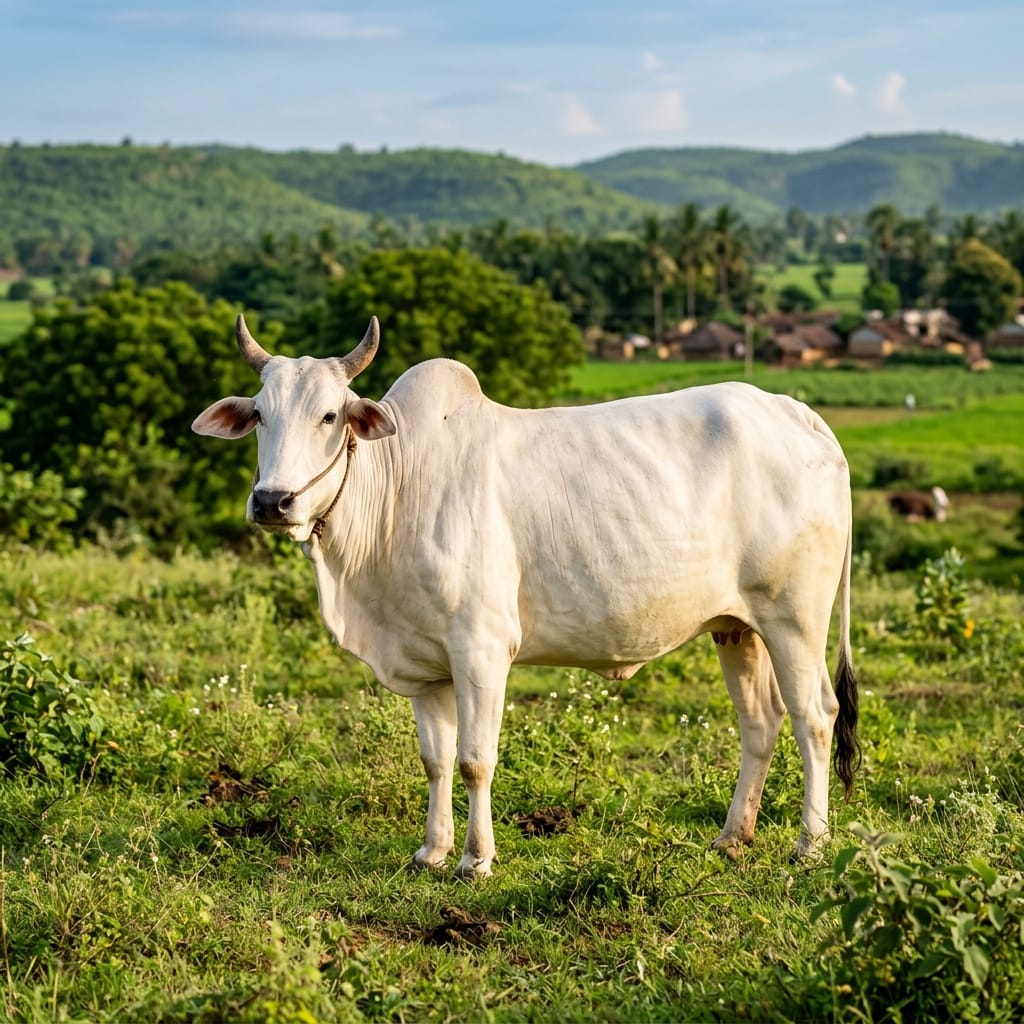
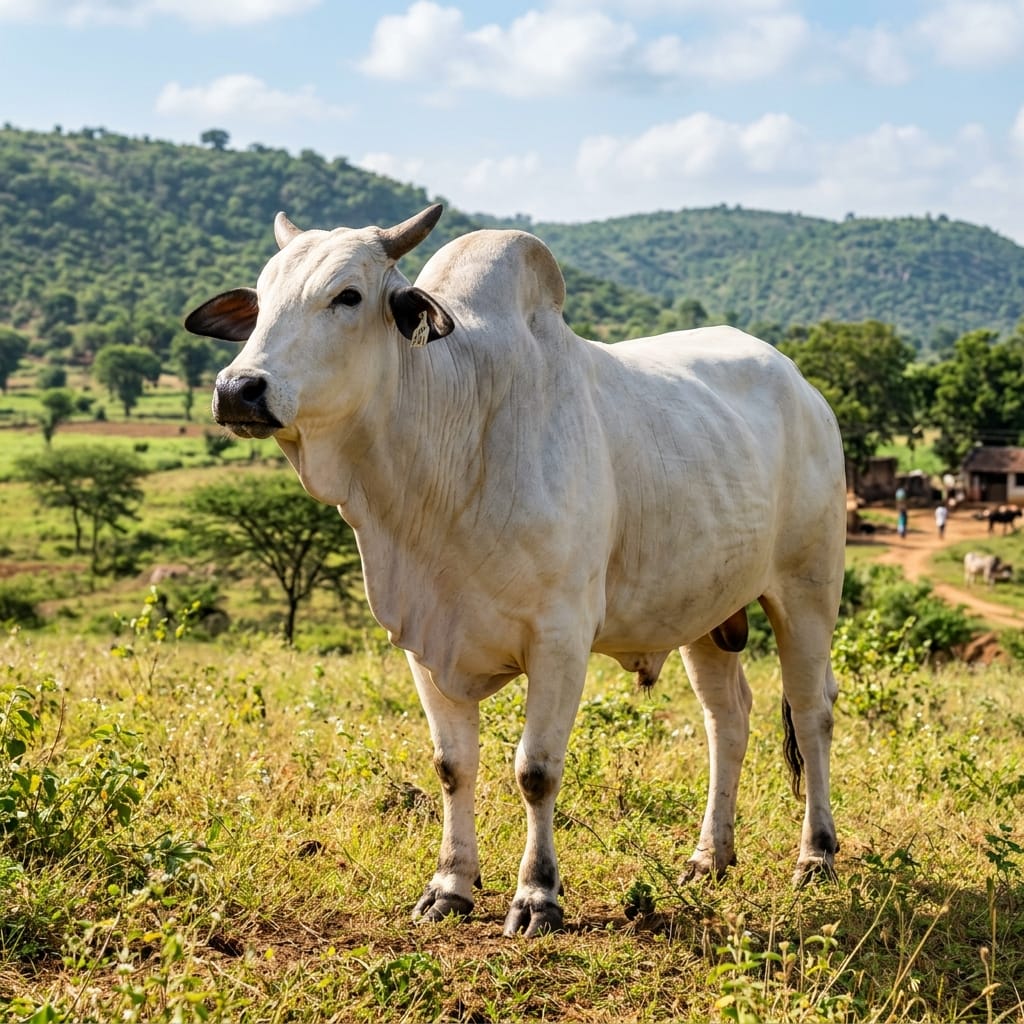
View Full Image
સ્થિર Andhra Pradesh A2 દૂધ
Ongole ગાય
ఒంగోలు
અન્ય નામો: Nellore (in Brazil)
જે જાતિ પર બ્રાઝિલે પોતાનો બીફ ઉદ્યોગ બાંધ્યો.
મૂળ ક્ષેત્ર: પ્રકાશમ, નેલ્લોર, ગુંટૂર
Photo: Wikimedia Commons contributors · CC BY-SA
દૈનિક દૂધ (મહત્તમ)
4–7 L
પ્રતિ વેતર દૂધ (~300 દિવસ)
1,000–1,800 L
દૂધ ચરબી
4.5–5.0%
પુખ્ત વજન
430–550 kg
વિશિષ્ટ લક્ષણો
રોમ/ત્વચા: સફેદ અથવા આછું ભૂખરું; કાળા બિંદુઓ (ઘૂંટણ, ગરદન, ખભા).
- મોટું, સ્નાયુબદ્ધ શરીર — સૌથી ભારે દેશી જાતિઓ માંની એક
- નાનાં મજબૂત શિંગડાં
- નર માં વિશાળ ખૂંધ અને ગળકંબલ
- કાળા સ્વિચ સાથે લાંબી, ઝૂલતી પૂંછડી
સ્વભાવ અને ઉપયોગિતા
- પ્રીમિયર ડ્રાફ્ટ અને બીફ-પ્રકાર દેશી જાતિ
- મધ્યમ દૂધ; ગાયો દિવસે 4-7 લિટર આપે છે
- રોગ પ્રતિરોધક, ખાસ કરીને ખુર અને મોં માટે
- લાંબું ઉત્પાદક જીવન
ઇતિહાસ અને વંશાવલિ
ઓંગોલને ૧૮૦૦ ના દાયકાના અંતમાં બ્રાઝિલ નિકાસ કરવામાં આવ્યું, જ્યાં તે "નેલોર" બન્યું અને હવે ૨૦૦ મિલિયન પ્રાણીઓની સંખ્યા છે — બ્રાઝિલિયન બીફનો પાયો. ભારતમાં, ડ્રાફ્ટ માંગ ઘટવાથી આઝાદી પછી જાતિ ઘટી. આંધ્ર પ્રદેશના લામ, ગુંટૂરમાં લાઈવસ્ટોક રિસર્ચ સ્ટેશન ન્યુક્લિયસ ટોળું જાળવે છે. ઉત્તમ ઓંગોલ બળદ બ્રાઝિલિયન ખરીદારોથી ₹૫૦ લાખ+ મેળવી શકે છે.
Ongole કેમ મહત્વપૂર્ણ છે
ઓંગોલ આપણને યાદ અપાવે છે કે ભારતીય જનીન વૈશ્વિક છે. બ્રાઝિલની 80% બીફ જાતો ઓંગોલ વંશમાંથી આવે છે — છતાં આંધ્ર પ્રદેશમાં વસ્તી ઘટી રહી છે.
Ongole cow price in India
Typical milking cow
₹40,000 – 90,000
Healthy, regular yield
Elite / registered lines
₹1,50,000 – 3,00,000
High yield, pedigreed
Prices depend heavily on lactation stage, milk yield, and breed purity. Elite lines with verified pedigrees fetch premium rates.
Monthly maintenance cost
Feed
₹3,000 – 4,500
Vet + vax
₹300 – 600
Approx. total
₹3,800 – 5,500
Indigenous zebu breeds are extremely hardy with natural resistance to tropical diseases and ticks, keeping vet bills to a minimum. Feed cost can be reduced with open grazing access.
A2 milk
Is Ongole cow milk A2?
Yes. Ongole produces A2 beta-casein milk by genetics — like all pure indigenous Indian (Bos indicus) breeds.
- Naturally easier to digest for people sensitive to A1 milk
- High in A2 beta-casein protein, free from BCM-7 peptide
- Associated with traditional wellness and higher fat content in native milk
How to verify
Always buy from verified breeders, check the physical traits (prominent hump, dewlap, convex forehead), or request a DNA test report from a certified lab.
Ongole vaccination schedule
Standard DAHD / ICAR schedule for indigenous Indian dairy cattle. Always confirm timing with your local vet.
| First dose | Vaccine | Cadence |
|---|---|---|
| 4 months onwards | FMD (Foot & Mouth Disease) | Every 6 months |
| 6 months onwards |
Compare Breeds
Select any two indigenous breeds to compare side-by-side.
| Feature | Ongole | Gir |
|---|---|---|
| Origin | Andhra Pradesh | Gujarat |
| Daily Milk Yield | 4–7 L | 8–12 L |
| Lactation Yield | 1,000–1,800 L | 1,800–3,500 L |
| Milk Fat % | 4.5–5.0% | 4.5–5.0% |
| Adult Weight | 430–550 kg | 380–475 kg |
| Status | Stable | Stable |
| Coat Color | સફેદ અથવા આછું ભૂખરું; કાળા બિંદુઓ (ઘૂંટણ, ગરદન, ખભા). | ચમકતો લાલ અથવા લાલ-સફેદ ડાઘવાળો; ક્યારેક શુદ્ધ સફેદ. લાલાશ-પીળું મુખ. |
| Milking Price | ₹40,000 – 90,000 | ₹50,000 – 1,20,000 |
| Maintenance | ₹3,800 – 5,500/mo | ₹4,500 – 7,000/mo |