இந்தியாவில் பசு வதைச் சட்டங்கள்: விவசாயிகளுக்கான மாநில வாரியாக வழிகாட்டி | Go-LX
பகிர்
இந்தியாவில் பசு வதைச் சட்டங்கள்: விவசாயிகளுக்கான மாநில வாரியாக வழிகாட்டி
GGo-LX2 June 20266 நிமிட வாசிப்பு479 பார்வைகள்1,161 AI பார்வைகள்
இந்தியாவின் பசுக்கொலைச் சட்டங்கள் ஒரு மாநில எல்லையைக் கடக்கும் தருணத்தில் மாறிவிடும். எது சட்டபூர்வமானது, எது தடைசெய்யப்பட்டுள்ளது, மற்றும் ஒவ்வொரு கால்நடை உரிமையாளரும் ஏன் தெரிந்து கொள்ள வேண்டும் - குறிப்பாக வயதான பசுவால் இனி அதை சம்பாதிக்க முடியாது என்பது பற்றிய தெளிவான, மாநிலம் வாரியான முறிவு இங்கே உள்ளது.
Go-LX இல் ஒவ்வொரு பசுவும் பிறப்பு முதல் இயற்கை மரணம் வரை கண்ணியமான வாழ்க்கைக்கு தகுதியானவை என்று நாங்கள் நம்புகிறோம். ஆனால் பல கால்நடை உரிமையாளர்கள் பசு வதை தொடர்பான இந்தியாவின் சட்டங்கள் ஒரே மாதிரியானவை அல்ல என்பதை உணரவில்லை - நீங்கள் ஒரு மாநில எல்லையை கடக்கும் தருணத்தில் அவை மாறிவிடும். வயதான, ஓய்வுபெற்ற பசுவை ஒரு மாநிலத்திலிருந்து மற்றொரு மாநிலத்திற்குக் கொண்டு செல்லும் விவசாயி, தெரியாமல் கடுமையான கிரிமினல் குற்றத்திற்கு ஆளாக நேரிடும்.
இந்த வழிகாட்டி 2026 ஆம் ஆண்டு வரை இந்தியா முழுவதும் உள்ள சட்டப்பூர்வ நிலப்பரப்பை விளக்குகிறது, எனவே நீங்கள் உங்கள் கால்நடைகளைப் பாதுகாக்கலாம், சட்டத்தின் வலது பக்கத்தில் தங்கலாம் மற்றும் படுகொலைக்கு எதிரான நலன்புரி பாதையைத் தேர்வு செய்யலாம்.
இந்திய அரசியலமைப்பின் 48வது பிரிவு, "விவசாயம் மற்றும் கால்நடை வளர்ப்பை நவீன மற்றும் அறிவியல் வழிகளில் ஒழுங்கமைக்க முயற்சி செய்ய வேண்டும், குறிப்பாக, இனங்களைப் பாதுகாக்கவும் மேம்படுத்தவும், பசுக்கள் மற்றும் கன்றுகள் மற்றும் பிற பால் கறவை மற்றும் கறவை மாடுகளை வெட்டுவதைத் தடுக்கவும் நடவடிக்கை எடுக்க வேண்டும்."
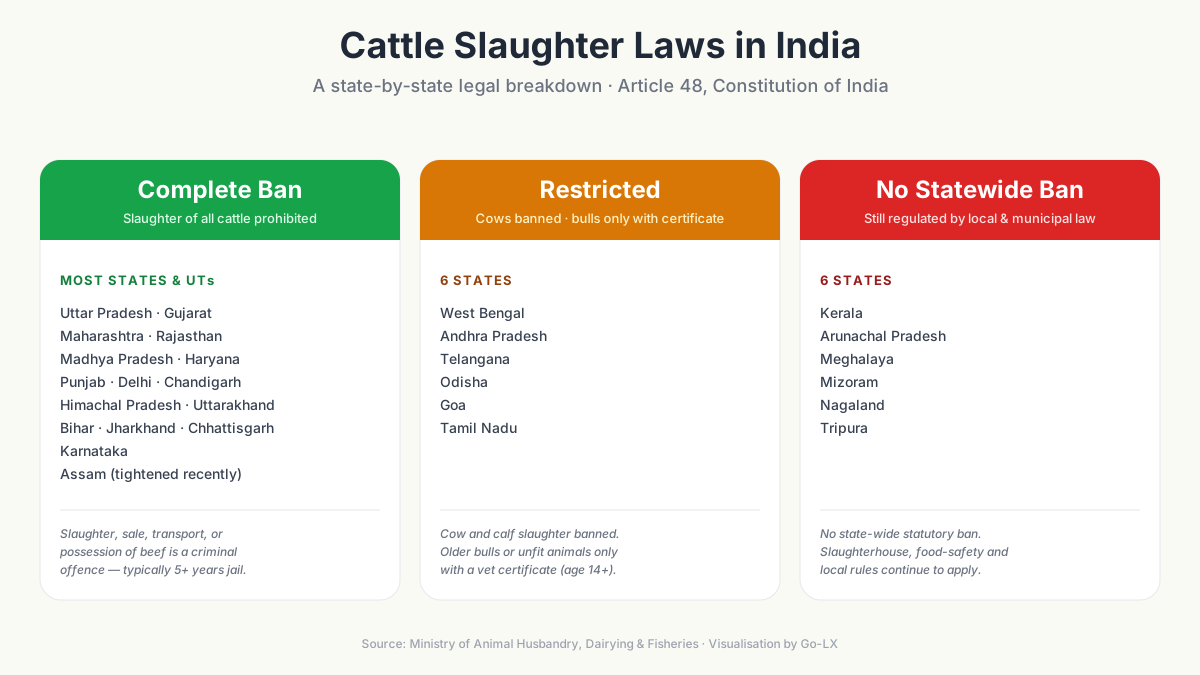
கால்நடை வளர்ப்பு என்பது மாநிலப் பாடம் என்பதால், ஒவ்வொரு மாநில சட்டமன்றமும் பசுக்கொலை தொடர்பாக அதன் சொந்தச் சட்டத்தை உருவாக்கியுள்ளது. இதன் விளைவாக மேலே காணப்பட்ட ஒட்டுவேலை.
எல்லா இடங்களிலும் பொருந்தும் ஒரு விதி: பசு மாட்டிறைச்சியை ஏற்றுமதி செய்ய முடியாது
மாநில அளவிலான சட்டத்தைப் பார்ப்பதற்கு முன், ஒரு தேசிய விதியை அறிந்து கொள்வது மதிப்பு. பசுக்களிடமிருந்து பெறப்பட்ட மாட்டிறைச்சி ஏற்றுமதி மத்திய அரசின் கொள்கையின்படி தடைசெய்யப்பட்டுள்ளது. எருமை இறைச்சியை ஒழுங்குபடுத்தப்பட்ட ஏற்றுமதியை இந்தியா அனுமதிக்கிறது - பெரும்பாலும் காரபீஃப் என்று அழைக்கப்படுகிறது - பொருந்தக்கூடிய சட்டங்கள் மற்றும் உரிமங்களுக்கு உட்பட்டு.
மாநில சட்டத்தின் மூன்று அடுக்குகள்
1. முழுமையான தடை (பச்சை அடுக்கு)
பெரும்பாலான இந்திய மாநிலங்கள் ** அனைத்து கால்நடைகளையும் ** - பசுக்கள், கன்றுகள், காளைகள் மற்றும் காளைகளை ஒரே மாதிரியாக வெட்டுவதை தடை செய்கின்றன. இந்த மாநிலங்களில், மாடுகளை அறுப்பது, அல்லது மாட்டிறைச்சியை வைத்திருப்பது, கொண்டு செல்வது அல்லது விற்பது போன்ற குற்றச் செயல்கள் அபராதம் மற்றும் சிறைத்தண்டனை விதிக்கப்படக்கூடிய குற்றமாகும்.
முழு தடையுடன் கூடிய மாநிலங்கள் மற்றும் யூனியன் பிரதேசங்கள்:
வடக்கு & மத்திய: உத்தரப் பிரதேசம், மத்தியப் பிரதேசம், ராஜஸ்தான், குஜராத், மகாராஷ்டிரா, ஹரியானா, பஞ்சாப், இமாச்சலப் பிரதேசம், உத்தரகண்ட், டெல்லி, சண்டிகர்
கிழக்கு: பீகார், ஜார்கண்ட், சத்தீஸ்கர்
தெற்கு: கர்நாடகா
அஸ்ஸாம்: அஸ்ஸாம் சமீப ஆண்டுகளில் பசு வதை, போக்குவரத்து மற்றும் மாட்டிறைச்சி விற்பனை மீதான கட்டுப்பாடுகளை கணிசமாகக் கடுமையாக்கியுள்ளது. சுருக்கமான விளக்கங்களை நம்புவதற்கு முன் வாசகர்கள் சமீபத்திய விதிகளை சரிபார்க்க வேண்டும்.
நீங்கள் இந்த மாநிலங்களில் ஏதேனும் ஒன்றில் வசிக்கிறீர்கள் என்றால், உங்கள் கால்நடைகளை அறுப்பதற்கான பொதுவான சட்டப் பாதை எதுவும் இல்லை, அது எவ்வளவு வயதானாலும் அல்லது பயனற்றதாக இருந்தாலும் சரி. இனி பராமரிக்க முடியாத ஒரு விலங்கின் சட்டப்பூர்வமான பாதை தத்தெடுப்பு - அவளை வேறொரு குடும்பம், பண்ணை அல்லது பதிவு செய்யப்பட்ட கௌஷாலாவிடம் ஒப்படைத்தல்.
மாநிலங்களின் இரண்டாவது குழு, பசுக்கள் மற்றும் கன்றுகளை வெட்டுவதைத் தடைசெய்கிறது, ஆனால் வயதான காளைகள், காளைகள் அல்லது பலனளிக்காத கால்நடைகளை உள்ளூர் கால்நடை அதிகாரியிடமிருந்து "பறிப்பதற்குத் தகுந்த" சான்றிதழுடன் மட்டுமே படுகொலை செய்ய அனுமதிக்கிறது. விலங்கு இருந்தால் மட்டுமே இந்த சான்றிதழ்கள் பொதுவாக வழங்கப்படும்:
குறிப்பிட்ட வயதுக்கு மேல் (பொதுவாக 14 அல்லது 15 ஆண்டுகள்)
இனப்பெருக்கம் அல்லது வரைவு வேலைக்கு நிரந்தரமாக தகுதியற்றது
ஒரு தீவிரமான அல்லது தொற்று நோயால் அவதிப்படுதல்
** பகுதி கட்டுப்பாடுகள் கொண்ட மாநிலங்கள்:**
மேற்கு வங்கம்: 14 வயதுக்கு மேற்பட்ட கால்நடைகளுக்கு, அல்லது இனப்பெருக்கத்திற்கு தகுதியற்றவை / சான்றிதழுடன் படுகொலை செய்ய அனுமதிக்கப்படுகிறது.
ஒடிசா: பசு வதை தடை; பழைய காளைகள் மற்றும் காளைகள் சான்றிதழுடன்
கோவா: கடுமையான சான்றிதழ் மற்றும் மேற்பார்வையின் கீழ் படுகொலை அனுமதிக்கப்படுகிறது
தமிழ்நாடு: பசு மற்றும் கன்று வெட்ட தடை; பொருளாதார ரீதியாக உற்பத்தி செய்யாத விலங்குகள், பொருந்தக்கூடிய மாநில சட்டத்தின் கீழ் சான்றிதழ் தேவைகளுக்கு உட்பட்டு படுகொலை செய்யப்படலாம்
இந்த மாநிலங்களில் கூட, பட்டி அதிகமாக உள்ளது மற்றும் காகிதப்பணி தீவிரமாக உள்ளது. முறையான சான்றிதழின்றி, குற்றமானது முழுத் தடை செய்யப்பட்ட நிலையில் உள்ளதைப் போலவே கருதப்படுகிறது.
3. மாநிலம் முழுவதும் சட்டரீதியான தடை இல்லை (சிவப்பு அடுக்கு)
ஒரு சிறிய எண்ணிக்கையிலான மாநிலங்களில் பசுக்கொலையைத் தடைசெய்யும் மாநில அளவிலான சட்டம் எதுவும் இல்லை - ஆனால் படுகொலை இன்னும் நடைமுறையில் பொது இறைச்சிக் கூட விதிகள், உணவு-பாதுகாப்புச் சட்டம் மற்றும் உள்ளூர் பஞ்சாயத்து அல்லது நகராட்சி விதிகள் மூலம் கட்டுப்படுத்தப்படுகிறது.
இந்த மாநிலங்கள்:
கேரளா — பெரும்பாலான வட மாநிலங்களுடன் ஒப்பிடும் வகையில் மாநிலம் தழுவிய தடையை விதிக்கவில்லை, ஆனால் உள்ளூர் மற்றும் நகராட்சி சட்டங்கள் மற்றும் இறைச்சிக் கூட விதிகளின் கீழ் படுகொலை கட்டுப்படுத்தப்படுகிறது.
வடகிழக்கு: அருணாச்சலப் பிரதேசம், மேகாலயா, மிசோரம், நாகாலாந்து, திரிபுரா - மாநிலம் முழுவதும் படுகொலைத் தடை எதுவும் அறிவிக்கப்படவில்லை; இந்த மாநிலங்களில் உள்ள விதிகள் தற்போதைய மாநில சட்டத்திற்கு எதிராக மீண்டும் சரிபார்க்கப்பட வேண்டும்
சிறப்பு வழக்கு: ஜம்மு & காஷ்மீர் மற்றும் லடாக்
ஆகஸ்ட் 2019 மறுசீரமைப்பைத் தொடர்ந்து ஜம்மு & காஷ்மீர் மற்றும் லடாக் ஆகியவற்றில் சட்ட நிலை உருவாகியுள்ளது. வரலாற்று ரீதியாக, (இப்போது ரத்து செய்யப்பட்ட) ரன்பீர் தண்டனைச் சட்டம், கால்நடைகளை படுகொலை செய்வதில் குறிப்பிட்ட விதிகளைக் கொண்டிருந்தது; மறுசீரமைப்பிலிருந்து, இந்திய தண்டனைச் சட்டம் பொருந்தும் மற்றும் அந்த மரபு விதிகளின் நிலை தொடர்ந்து விவாதத்திற்கு உட்பட்டது. இந்த இரண்டு யூனியன் பிரதேசங்களுக்கான வரலாற்று பசுக் கொலைக் கட்டுப்பாடுகளை நம்புவதற்கு முன், வாசகர்கள் தற்போதைய உள்ளூர் சட்டங்கள் மற்றும் அறிவிப்புகளைக் கலந்தாலோசிக்க வேண்டும்.
ஒவ்வொரு கால்நடை உரிமையாளருக்கும் இது ஏன் முக்கியமானது
ஒவ்வொரு கால்நடை உரிமையாளரும் சட்டத்தை புரிந்து கொள்ள வேண்டிய இரண்டு நடைமுறை காரணங்கள்:
1. மாநிலங்களுக்கு இடையேயான போக்குவரத்துதான் உண்மையான பொறி. கால்நடைகள் தொடர்பான பெரும்பாலான வழக்குகள் இறைச்சிக் கூடத்தில் நடப்பதில்லை - அவை நெடுஞ்சாலையில் நடக்கின்றன. ஒரு அம்பர் அல்லது சிவப்புப் பகுதியிலிருந்து கால்நடைகளை பச்சை மாநிலத்திற்கு நகர்த்துவது, தற்செயலாக கூட, விலங்கு மற்றும் வாகனத்தை கைப்பற்றுவது மற்றும் இலக்கு மாநிலத்தின் சட்டத்தின் கீழ் வழக்குத் தொடரலாம். நீங்கள் தொடங்கிய மாநிலம் மட்டுமின்றி, இலக்கு மாநிலத்தின் சட்டத்தை எப்போதும் தெரிந்து கொள்ளுங்கள்.
2. முந்தைய பரிவர்த்தனைகள் ஆய்வுக்கு உட்படுத்தப்படலாம். அரசு விலங்குகளை அடையாளம் காணுதல் மற்றும் குறியிடும் திட்டங்கள் (பசு ஆதார் / INAPH போன்றவை) விலங்குகளின் வரலாற்றைக் கண்டுபிடிப்பதை எளிதாக்குகின்றன. சில சூழ்நிலைகளில், அறிவு, நோக்கம், ஆவணங்கள் மற்றும் சம்பந்தப்பட்ட குறிப்பிட்ட மாநிலச் சட்டம் ஆகியவற்றைப் பொறுத்து, சட்டத்திற்குப் புறம்பான போக்குவரத்து அல்லது படுகொலைகள் பின்னர் சந்தேகப்பட்டால் முந்தைய விற்பனையை அதிகாரிகள் விசாரிக்கலாம். ஒவ்வொரு பட்டியலிலும் Go-LX க்கு சரிபார்க்கப்பட்ட விற்பனையாளர் விவரங்கள் தேவைப்படுவதற்கு இதுவும் ஒரு காரணம், மேலும் எங்கள் தத்தெடுப்பு பட்டியல்கள் ஏன் உறுதிமொழியாக உள்ளன: அவை புதிய வீட்டை எழுத்துப்பூர்வ கவனிப்புடன் இணைக்கின்றன.
அடிக்கடி கேட்கப்படும் கேள்விகள்
இந்தியாவில் பசு வதை சட்டமா?
இந்தியாவின் பெரும்பாலான பகுதிகளில், இல்லை. பெரும்பாலான மாநிலங்கள் பசுவைக் கொல்வதற்கும், மாட்டிறைச்சியை வைத்திருப்பதற்கும், மாட்டு இறைச்சியைக் கொண்டு செல்வதற்கும் அல்லது விற்பனை செய்வதற்கும் முழுமையான சட்டப்பூர்வ தடையை விதிக்கின்றன. ஒரு சில மாநிலங்கள் கடுமையான சான்றிதழின் கீழ் காளைகள் அல்லது காளைகளை வெட்ட அனுமதிக்கின்றன, மேலும் ஒரு சிறிய குழு மாநிலம் முழுவதும் தடை இல்லை - இருப்பினும் அந்த மாநிலங்களில் படுகொலை உள்ளூர் இறைச்சிக் கூடம் மற்றும் உணவு-பாதுகாப்பு ஒழுங்குமுறைக்கு உட்பட்டது.
மாநில எல்லைகளுக்குள் கால்நடைகளை கொண்டு செல்லலாமா?
உங்கள் தொடக்க நிலையின் சட்டம் இலக்கு வரை நீட்டிக்கப்படுவதாக நீங்கள் ஒருபோதும் கருதக்கூடாது. ஒவ்வொரு மாநிலமும் கால்நடைகளை அறுப்பதையும் போக்குவரத்தையும் சுயாதீனமாக ஒழுங்குபடுத்துகிறது, மேலும் ஒரு மிருகத்தை கடுமையான விதிகள் கொண்ட மாநிலத்திற்கு நகர்த்துவது இலக்கு மாநிலத்தின் சட்டத்தின் கீழ் பறிமுதல் மற்றும் வழக்குத் தொடரலாம். இலக்கு மாநிலத்தின் தற்போதைய சட்டத்தை எப்போதும் சரிபார்த்து, விலங்குக்கான சரியான ஆவணங்களை எடுத்துச் செல்லவும்.
வயதான மாடுகளை சட்டப்படி விற்கலாமா?
ஆம் — தொடர்ந்து பராமரிப்பு, பால் பயன்பாடு அல்லது படுகொலை அல்லாத நோக்கங்களுக்காக கால்நடைகளை விற்பனை செய்வது பொதுவாக ஒவ்வொரு மாநிலத்திலும் சட்டப்பூர்வமானது. தடைசெய்யப்பட்டவை படுகொலை மற்றும் மாட்டிறைச்சி. பழைய அல்லது பலனளிக்காத பசுவை நீங்கள் இனி பராமரிக்க முடியாத பாதுகாப்பான வழி தத்தெடுப்பு சரிபார்க்கப்பட்ட சந்தை அல்லது பதிவுசெய்யப்பட்ட கௌஷாலா மூலம், புதிய உரிமையாளர் படுகொலை செய்யாத பராமரிப்பை உறுதியளிக்கிறார்.
கால்நடை போக்குவரத்து சட்டத்தை மீறினால் என்ன நடக்கும்?
விளைவுகள் மாநில வாரியாக மாறுபடும் ஆனால் பொதுவாக கால்நடைகளை பறிமுதல் செய்தல், வாகனத்தை பறிமுதல் செய்தல், சம்பந்தப்பட்ட மாநில கால்நடை பாதுகாப்பு சட்டத்தின் கீழ் குற்றவியல் வழக்கு மற்றும் போக்குவரத்து அல்லது விற்பனையில் ஈடுபடும் நபர்களுக்கு அபராதம் மற்றும் சிறைத்தண்டனை ஆகியவை அடங்கும். பல மாநிலங்கள் மீண்டும் மீண்டும் நடக்கும் குற்றங்கள் மற்றும் பசுக் கொலைகளை மேம்படுத்தப்பட்ட தண்டனை விதிகளின் கீழ் நடத்துகின்றன.
பசு வதை சட்டங்கள் மாறும் என்று எதிர்பார்க்கப்படுகிறதா?
மாநில சட்டமன்றங்கள் இந்தச் சட்டங்களைத் தொடர்ந்து திருத்துகின்றன. எடுத்துக்காட்டாக, அசாம், சமீபத்திய ஆண்டுகளில் அதன் விதிகளை கணிசமாகக் கடுமையாக்கியது, மற்ற மாநிலங்கள் அபராதம் அல்லது போக்குவரத்து விதிகளை மேம்படுத்தியுள்ளன. கால்நடைகளை கொண்டு செல்வது, விற்பனை செய்வது அல்லது படுகொலை செய்வது தொடர்பான முடிவெடுக்கும் எவரும், செயல்படும் முன், சம்பந்தப்பட்ட மாநில சட்டம் மற்றும் அறிவிப்புகளின் தற்போதைய பதிப்பை எப்போதும் சரிபார்க்க வேண்டும்.
நலன் மாற்று: தத்தெடுப்பு
பெரும்பாலான இந்திய மாநிலங்களுக்கு, படுகொலை ஒரு சட்டப்பூர்வ விருப்பம் அல்ல. அது எங்கிருந்தாலும், ஒரு குடும்பத்திற்கு பால் மற்றும் உழைப்பைக் கொடுத்து தனது வாழ்நாளைக் கழித்த பசுவின் முதல் தேர்வாக அது இருக்கக்கூடாது.
பாதுகாப்புப் பாதை தத்தெடுப்பு — அவளை வேறொரு குடும்பம், பண்ணை அல்லது பதிவுசெய்யப்பட்ட கௌஷாலாவின் பராமரிப்பில் ஒப்படைப்பது, அவள் பாதுகாப்பாக தன் நாட்களைக் கழிப்பாள் என்ற வெளிப்படையான புரிதலுடன். கோ-எல்எக்ஸ் இயக்குவதற்காக உருவாக்கப்பட்ட சேவா பாதை இது. எங்கள் [தத்தெடுப்பு பட்டியல்கள்](/listings? நோக்கம்=தத்தெடுப்பு) உறுதிசெய்யப்பட்ட ஹேப்பி ஹோம் மூலம் இடுகையிடவும், உறுதிமொழி-பாதுகாக்கப்பட்ட மற்றும் இறுதி முதல் இறுதிவரை கண்காணிக்கவும் இலவசம்.
உங்கள் பசுவை இனி உங்களால் பராமரிக்க முடியாவிட்டால், தத்தெடுப்பைத் தேர்வு செய்யவும். அவளுடைய வாழ்க்கை மற்றும் சட்டம் இரண்டையும் மதிக்கும் பாதை அது.
சட்ட மறுப்பு
இந்த கட்டுரை கல்வி மற்றும் தகவல் நோக்கங்களுக்காக மட்டுமே வழங்கப்படுகிறது மற்றும் சட்ட ஆலோசனையை கொண்டிருக்கவில்லை. சட்டங்கள், விதிகள், அறிவிப்புகள் மற்றும் அமலாக்க நடைமுறைகள் அறிவிப்பு இல்லாமல் மாறலாம். Readers should consult the latest official legislation and qualified legal counsel before acting on any information contained herein. இந்தக் கட்டுரையின் அடிப்படையில் எடுக்கப்பட்ட முடிவுகளுக்கு Go-LX எந்தப் பொறுப்பையும் ஏற்காது.