A2 Ghee Market to Hit ₹9,500 Crore by 2034: How Small Farmers Can Tap In
With the A2 ghee market projected to reach ₹9,500 crore by 2034 at a roaring 21% CAGR, there has never been a better time for small dairy farmers to venture into value addition. Learn how to get started.
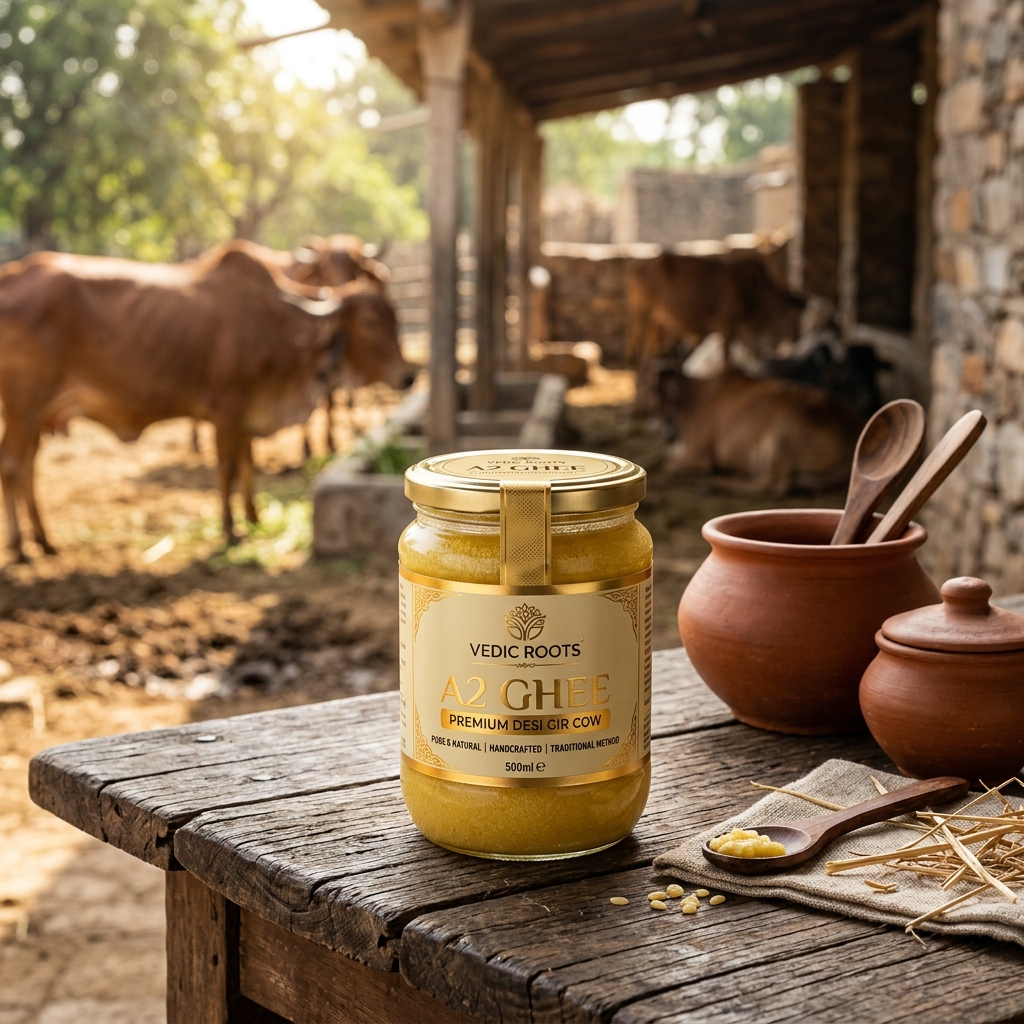
The Indian dairy sector is witnessing a massive revolution driven by health-conscious consumers. Leading the charge is the demand for A2 Ghee, made exclusively from the milk of indigenous (desi) cow breeds like the Gir, Sahiwal, Tharparkar, and Red Sindhi.
Market intelligence reports indicate that the Indian A2 Ghee market is projected to grow at a roaring 21% Compound Annual Growth Rate (CAGR), hitting a massive valuation of ₹9,500 crore by 2034.
For small-holder dairy farmers, selling raw milk to local cooperatives often yields low margins (₹35 to ₹55 per litre). Value addition—converting raw A2 milk into premium Bilona Ghee—is the key to doubling farm incomes. Here is your blueprint to get in.
Why A2 Ghee Commands Premium Prices
A2 ghee is made from milk containing only the A2 beta-casein protein, which is easy on the stomach and matches the ghee described in ancient Ayurvedic texts.
- Raw Milk Price: ₹40–₹60 per litre.
- A2 Ghee Price (Bilona Method): ₹1,500 to ₹3,500 per kilogram.
- Yield Ratio: It takes approximately 25 to 30 litres of milk to produce 1 kg of pure ghee using the traditional curd-churning method.
At a ghee price of ₹2,000/kg, the effective value realized per litre of milk jumps to ₹70 to ₹80, representing a massive increase in margins.
The Secret: The Traditional Bilona Method
To command premium prices, you must avoid commercial cream separators. Health-conscious consumers look for Bilona Ghee:
- Boiling: Boil raw, whole A2 milk.
- Curdling: Set the milk to curd overnight.