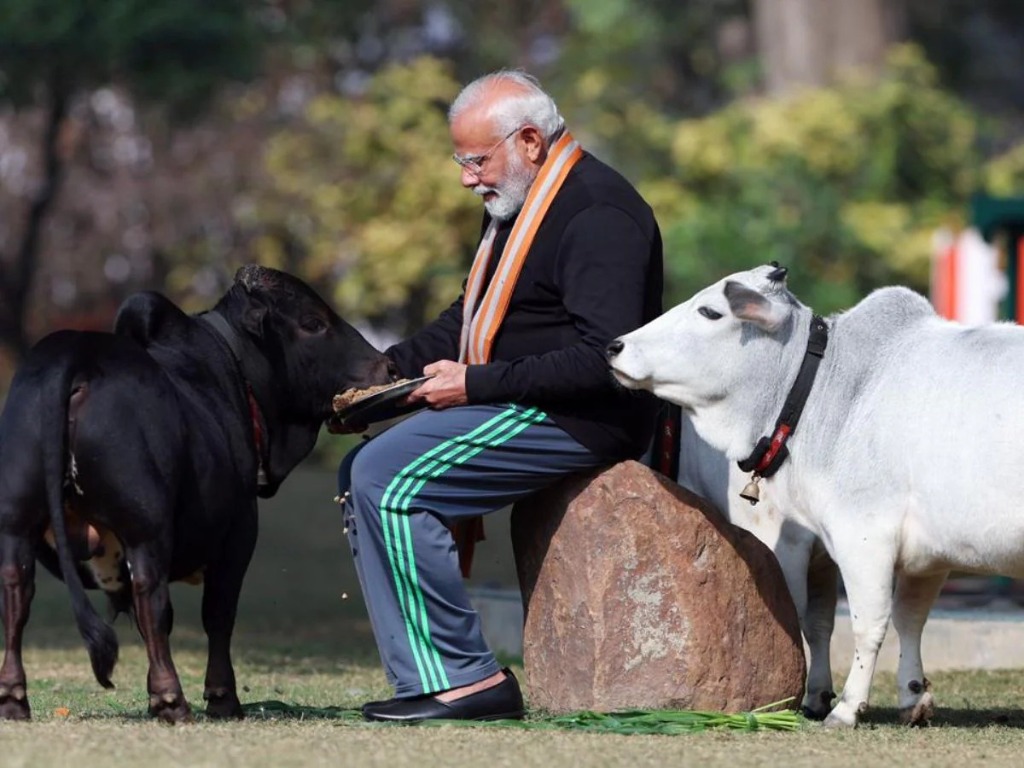
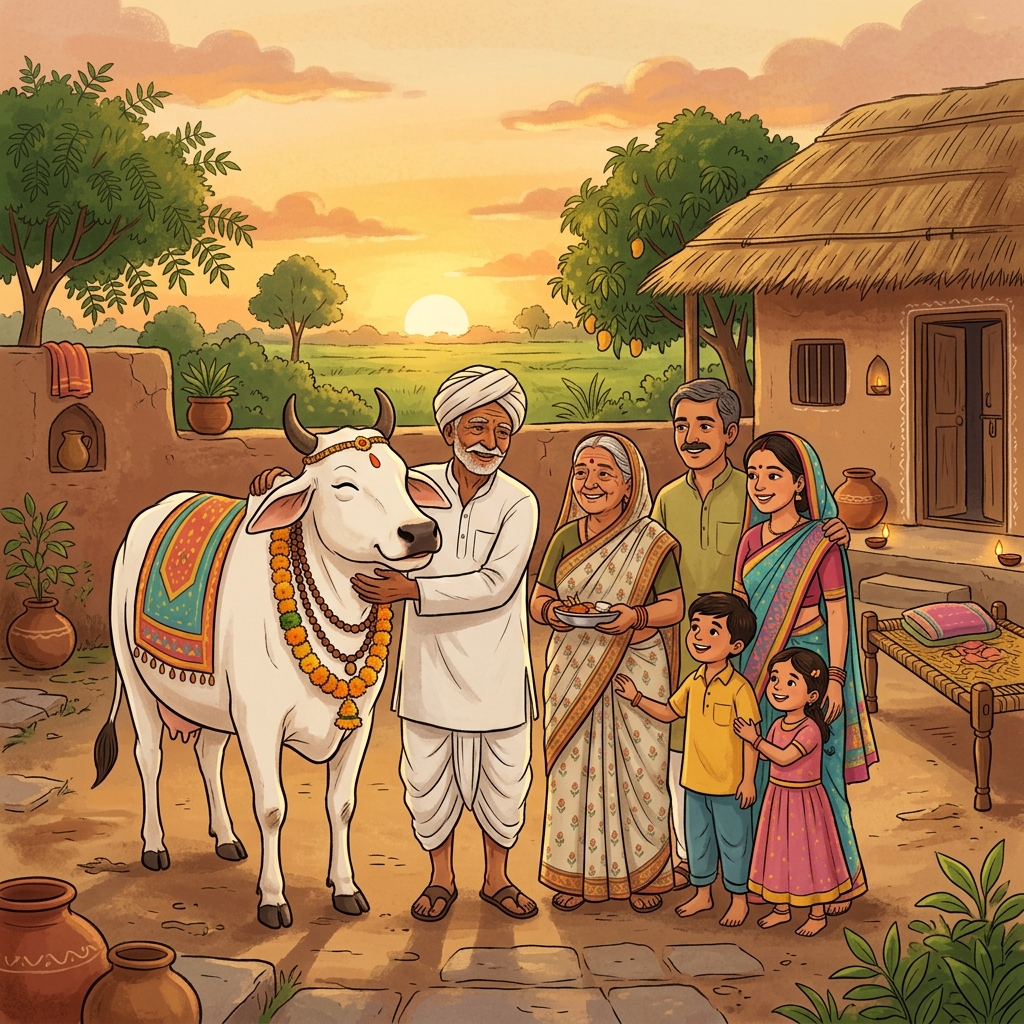
What changed for cows since 2014? This single question captures the dramatic, decade-long transformation of India’s dairy landscape and animal welfare policy. When Narendra Modi was elected Prime Minister in 2014, cow protection—historically a matter of local sentiment and religious devotion—was elevated into a central pillar of national governance. The promise of protecting "Gau Mata" and conserving India's indigenous cattle breeds was met with high expectations from animal lovers and gaushala (cow shelter) managers alike.
Ten years later, the results present a complex, multifaceted picture. On one hand, government funding for cattle conservation has reached historic heights, and digital tracking technologies have modernized herd management. On the other hand, strict bans on cattle slaughter have led to an unprecedented rise in stray and abandoned cattle, putting an immense financial and physical strain on both charity-run and state-supported shelters. To understand the true impact of this decade of policy, we must look past the political rhetoric and analyze the policies, the data, and the ground reality of India’s gaushalas.
Narendra Modi's 2014 Cow Protection Agenda
During the 2014 Lok Sabha election campaign, cow protection (Goraksha) was positioned as a key national priority. The political messaging contrasted the decline of indigenous dairy breeds with what was termed the "Pink Revolution"—the rising exports of meat under the previous administration. The campaign promised to halt this trend, conserve India's native cows, and support the thousands of gaushalas that operated as voluntary, charity-dependent sanctuaries.
The initial messaging focused on two primary expected outcomes:
Economic Revitalization: Restoring the economic value of indigenous cattle so that farmers would naturally keep them, rather than selling them when they stopped producing milk.
National Preservation: Creating state-supported systems to house and care for rescued, old, and unproductive cows, thereby eliminating stray cattle and ensuring their welfare.
As the Narendra Modi administration took office, this agenda was quickly translated into policy directives. The government recognized that India's native breeds, such as the Gir, Sahiwal, and Tharparkar, were uniquely suited to the Indian climate but had been neglected in favor of crossbreeding with exotic Western varieties. However, translating this cultural and genetic pride into a functioning economic model for local gaushalas proved to be one of the most challenging administrative tasks of the decade. The expectations of immediate, widespread financial support for existing shelters clashed with the bureaucratic realities of government scheme implementation.
Between 2014 and 2024, the Union Government and several state administrations launched a series of ambitious policies aimed at cattle welfare, breed conservation, and database tracking.
The Rashtriya Gokul Mission (RGM)
Launched in December 2014 under the National Programme for Bovine Breeding and Dairy Development, the Rashtriya Gokul Mission was designed as the flagship initiative for the conservation and development of indigenous bovine breeds. RGM’s focus areas included:
Conserving native cow breeds.
Promoting elite seed stock through artificial insemination and IVF technology.
Creating "Gokul Grams"—integrated indigenous cattle centers designed to serve as resource centers for farmers.
Under the RGM, funding allocations for cattle development rose exponentially, with thousands of crores earmarked for scientific breeding and dairy infrastructure.
State-Level Initiatives and Cow Welfare Funds
Because animal husbandry is a state subject under the Indian Constitution, the responsibility for direct gaushala support fell largely on state governments. Several states, particularly in North and West India, created dedicated Gauseva Ayogs (Cow Welfare Commissions) and introduced innovative funding mechanisms:
Cow Cess: Uttar Pradesh, Rajasthan, and Punjab introduced a "cow cess" on items like alcohol, fuel, stamp duties, and luxury services to generate revenue specifically for gaushalas.
Pashu Aadhaar (INAPH/Bharat Pashudhan): A massive national drive was launched to tag every head of cattle with a unique 12-digit identification number. Tied to the national database, this tag tracks vaccinations, owner history, and health metrics, making cattle welfare data-driven.
Policy / Initiative
Launch Year
Primary Focus Area
Target Audience
Rashtriya Gokul Mission
2014
Indigenous Breed Conservation & IVF
Dairy Farmers, Breeding Centers
Pashu Aadhaar (NDLM)
2019
12-Digit Unique Ear Tagging & Tracking
All Cattle Owners & Gaushalas
Gobardhan Scheme
2018
Biogas & Waste-to-Wealth Generation
Model Gaushalas & Rural Communities
UP Cow Cess / Maintenance Grants
2019
State-funded daily maintenance per cow
Registered Gaushalas in Uttar Pradesh
Which Schemes Reached the Gaushalas?
While breed conservation and high-tech IVF laboratories received major central funding, typical charity-run gaushalas struggled to access these resources. The Rashtriya Gokul Mission was structured for dairy productivity and genetic improvement rather than the long-term maintenance of unproductive cows.
Consequently, the schemes that actually impacted gaushalas on the ground were state-level daily maintenance subsidies (such as Uttar Pradesh’s grant of ₹30—later updated to ₹50—per cow per day) and the Gobardhan scheme, which funded biogas plants. However, as we will see in the case studies, the distribution of these funds was highly uneven, plagued by bureaucratic delays and strict eligibility barriers.
The Ground Reality: Three Gaushala Case Studies
To understand how these national and state policies translated into reality, we examine three distinct gaushalas operating under different models across India.
Case Study 1: The Model Bio-CNG Pioneer (Gujarat)
Shri Krishna Gaushala, located in Gujarat, is a prime example of a shelter that successfully aligned itself with the Narendra Modi government’s "Waste-to-Wealth" directives.
Recognizing that relying on milk sales or donor charity was insufficient to care for their 1,200 cows (of which 70% were dry or unproductive), the trust applied for capital subsidies under the central Gobardhan scheme and local state biogas initiatives.
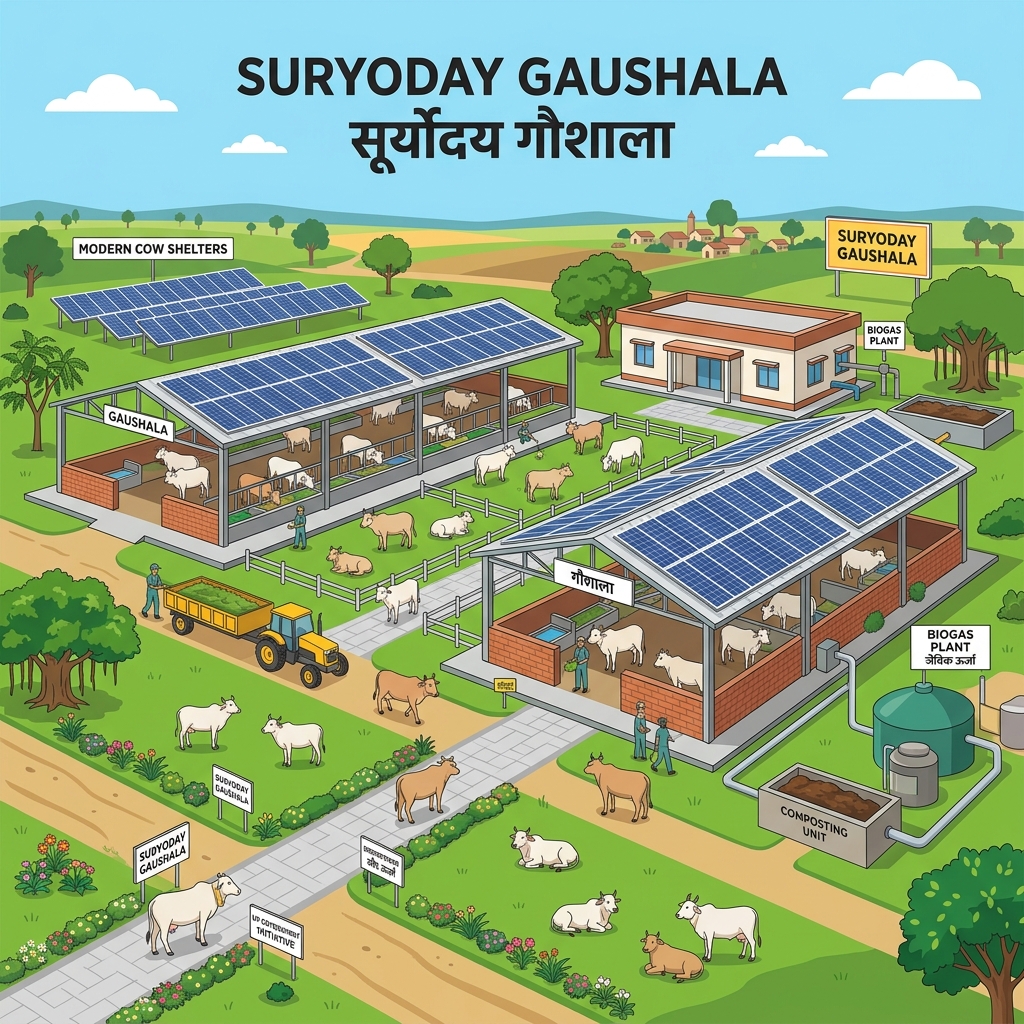
The Intervention: With a mix of government grants and corporate social responsibility (CSR) funding, they installed a commercial-scale biogas purification and bottling plant. They began processing tons of cow dung daily into compressed bio-CNG and high-grade organic slurry.
The Outcome: The gaushala now sells compressed gas to local commercial distributors and packages organic fertilizer under its own brand. The revenue generated from these byproducts covers 100% of the fodder, veterinary, and labor costs for the entire herd, creating a fully self-sustaining model.
The Lesson: Tech-enabled monetization of dung and urine can turn unproductive cattle from a liability into a resource, but it requires significant initial capital and professional management.
Case Study 2: The Overwhelmed Shelter (Uttar Pradesh)
Gau Seva Dham, a traditional gaushala in rural Uttar Pradesh, experienced the severe unintended consequences of the state's strict cattle slaughter bans.
Following the 2017 ban on unlicensed slaughterhouses and tighter transport restrictions, local farmers who could no longer afford to feed dry cows began abandoning them. Within three years, the gaushala's population swelled from 300 to over 1,100 animals, overwhelming their facilities.
The Challenge: The gaushala registered for the UP government's daily maintenance subsidy of ₹30 per cow. However, the disbursement of these funds was delayed by months due to red tape and mandatory verification processes. Meanwhile, the prices of wheat straw (bhusa) and green fodder skyrocketed due to increased demand.
The Outcome: Lacking sufficient space, feed, and veterinary care, the shelter suffered from overcrowding. During the winter months and monsoon seasons, disease outbreaks (including foot-and-mouth disease) led to high mortality rates among the weakest cows.
The Lesson: Legislation banning slaughter without immediate, functioning, and inflation-indexed funding for shelters leads to welfare crises, overcrowding, and high mortality.
Case Study 3: The Community-Empowered Haven (Rajasthan)
Kamdhenu Surabhi Gaushala in Rajasthan found its path forward by combining basic government policy benefits with a modern, community-driven digital outreach model.
Faced with rising feed costs and limited land, the trust decided not to wait for government subsidies. Instead, they focused on transparency, digital connection, and value-added retail.
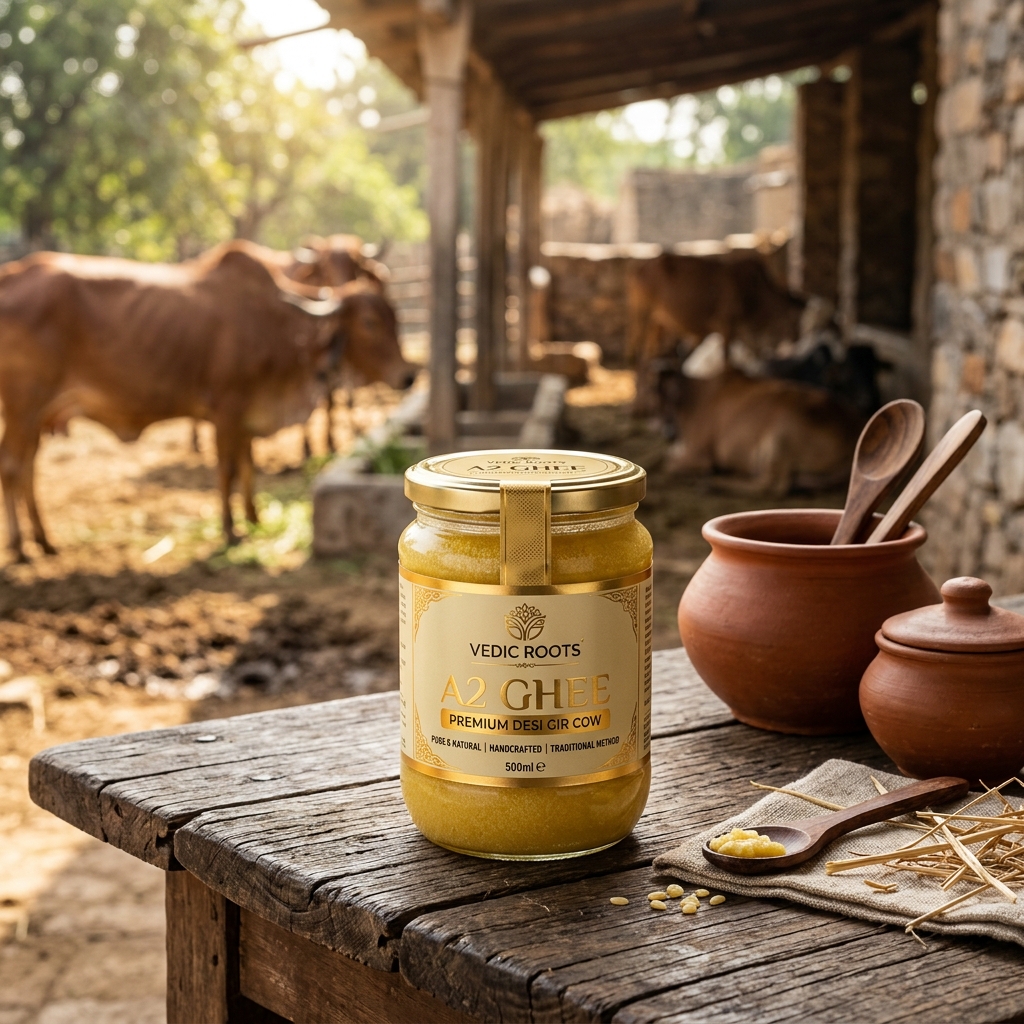
The Intervention: The gaushala registered all its cattle under the Pashu Aadhaar database, providing digital proof of health and vaccination. They partnered with digital cow-adoption platforms, allowing urban donors to view profiles of individual cows, sponsor their monthly feed online, and receive weekly photo updates. Simultaneously, they set up a traditional wood-fired Bilona processing unit to convert milk from their few lactating Gir cows into premium A2 Ghee, which they sold directly to cities via e-commerce.
The Outcome: Today, 80% of their old and dry cows are sponsored by individual families across India. The premium margins from their A2 Ghee sales cover the veterinary and infrastructure costs of the entire shelter.
The Lesson: Digital transparency and community-driven adoptions build a resilient safety net that government bureaucracy cannot duplicate.
What the Data Reveals
An objective analysis of the 2014–2024 decade requires looking at the numbers. According to the Livestock Census and reports from the National Dairy Development Board (NDDB):
Number of Gaushalas: The number of registered gaushalas in India grew from an estimated 3,000 in 2014 to over 7,500 by 2024. This growth was driven by state incentives and the emergency need to house stray cattle.
Stray Cattle Population: Despite the rise in shelters, the stray cattle population in public spaces, roads, and agricultural fields increased dramatically in northern and central states. In Uttar Pradesh alone, government estimates put the number of stray cattle in temporary shelters and on roads at over 1.5 million.
Disease Vulnerability: The massive Lumpy Skin Disease (LSD) outbreak of 2022–2023 infected millions of cattle across Rajasthan, Gujarat, and Punjab. Over 200,000 cows died, exposing critical shortages in local veterinary staff, vaccines, and quarantine facilities in rural gaushalas.
Independent assessments from veterinary researchers indicate that while native breed conservation has successfully stabilized populations of breeds like the Gir and Sahiwal, the welfare of the average scrub (non-descript) cow has declined. Without economic utility, these mixed-breed animals are the first to be abandoned. They are left to roam public roads, eat plastic waste from garbage bins, and suffer from untreated injuries and chronic malnutrition.
Bridging the Gap: The Go-LX Platform
The policy achievements and failures of the last decade prove a vital point: government funding and legislation alone cannot solve the cow welfare crisis. There is a structural gap between state resources and the daily needs of gaushalas. This is where golx.org enters the landscape.
As India’s indigenous cow welfare and transaction platform, Go-LX acts as a credible, third-party validator that addresses the root causes of gaushala instability:
1. Transparency as a Currency
Traditional gaushalas often suffer from a trust deficit. Donors want to know if their money is actually buying fodder or if it is being lost to administrative leakages. Go-LX solves this by requiring all partner shelters to maintain digital profiles for their animals, backed by their official Pashu Aadhaar numbers. Every donation made toward a cow’s care is tracked, and donors receive verified updates on their adopted animal's health and feeding schedules.
2. A Sustainable Adoption & Monetization Model
Unlike the traditional charity model, which relies on continuous, unpredictable donations, Go-LX introduces a structured Cow Adoption framework. We connect urban households directly with rural gaushalas and organic farms. Through our platform:
Donors can sponsor a cow’s retirement.
Farmers can list dry cows for free adoption rather than abandoning them.
Consumers can buy verified, laboratory-tested A2 dairy products and organic fertilizers directly from partner gaushalas, ensuring a steady stream of trade-based income for the shelters.
By turning cow welfare into an interactive, transparent community experience, Go-LX helps gaushalas achieve the self-sustainability that national policies have promised but struggled to deliver.
Conclusion: A Path Forward
The decade from 2014 to 2024 has shown that policy intentions, no matter how noble, are limited by the economics of animal husbandry. Banning slaughter and funding high-tech IVF labs does not solve the daily struggle of feeding a retired, non-milch cow in a rural village.
The lessons of the last ten years are clear:
What worked: Increased awareness of indigenous breeds, the establishment of the Pashu Aadhaar database, and the promotion of biogas technology.
What failed: Over-reliance on government grants, which led to delayed payments, overcrowding, and a severe stray cattle crisis.
True cow welfare cannot be achieved by top-down decrees alone. It requires a decentralized, community-driven approach where technology enables transparency, and trade-based models support traditional seva. By connecting urban communities with the caretakers of our native cattle, we can ensure that every cow lives a life of dignity, health, and peace.
Join the Mission
See real cow welfare in action. Sponsor a gaushala on golx.org or adopt a cow today. If you are a gaushala trust or dairy farmer looking for a sustainable way to manage your herd, explore our partner program to list your animals and products on India's indigenous cow welfare platform.
Legal Disclaimer: The analysis and case studies presented in this article are based on public reports, government databases, and field interviews. They are intended for educational and informational purposes only. Go-LX is an independent platform and does not endorse or attack any political administration or organization.