Tharparkar: The Desert Survivor
Bred in the Thar desert, the Tharparkar is a hardy, dual-purpose breed that thrives where other cattle fail. Discover its unique traits and value to Indian farmers.
Named after the Thar Parkar region of Sindh and western Rajasthan, the Tharparkar is one of India's toughest and most versatile indigenous breeds. It produces good milk, pulls heavy carts in rough terrain, and survives on sparse fodder in extreme heat — making it indispensable to farmers in Rajasthan, Gujarat, and arid Madhya Pradesh.
Why the Tharparkar Matters
The Tharparkar is a dual-purpose breed, valued equally for:
- Milk production — 7–10 litres per day on average
- Draught work — strong, steady working bulls
- Survival in harsh conditions — tolerates extreme heat, dust storms, and water scarcity
- Low maintenance — eats less than larger breeds and resists tropical diseases
How to Recognise One
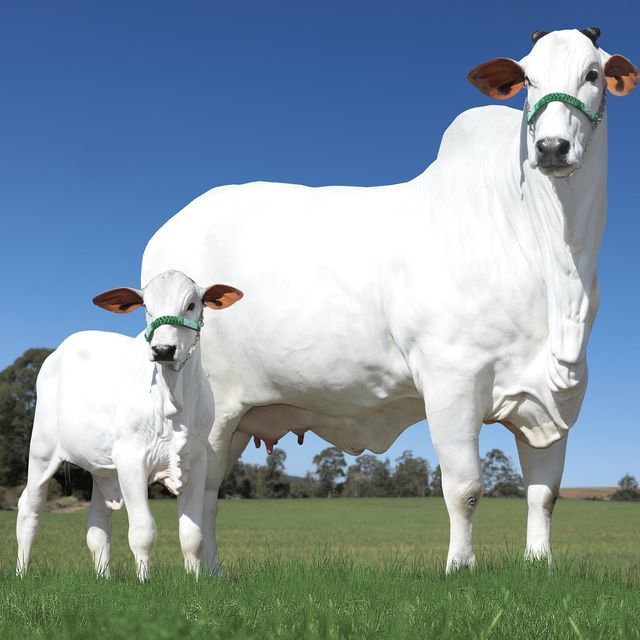
- Coat: White or light grey, sometimes with a slight reddish tint
- Horns: Medium-sized, curving upwards and outwards
- Hump: Well-developed, particularly in bulls
- Ears: Medium, slightly drooping
- Build: Compact and well-muscled
- Average weight: Cows 350–410 kg, bulls 500–550 kg
Milk Production
Tharparkar cows produce 2,200–3,000 litres per lactation, with butterfat content around 4.5%. While not as high-yielding as a Sahiwal, the Tharparkar's milk is rich, the cow is exceptionally low-maintenance, and feed conversion is excellent.