Loading Go-LX...
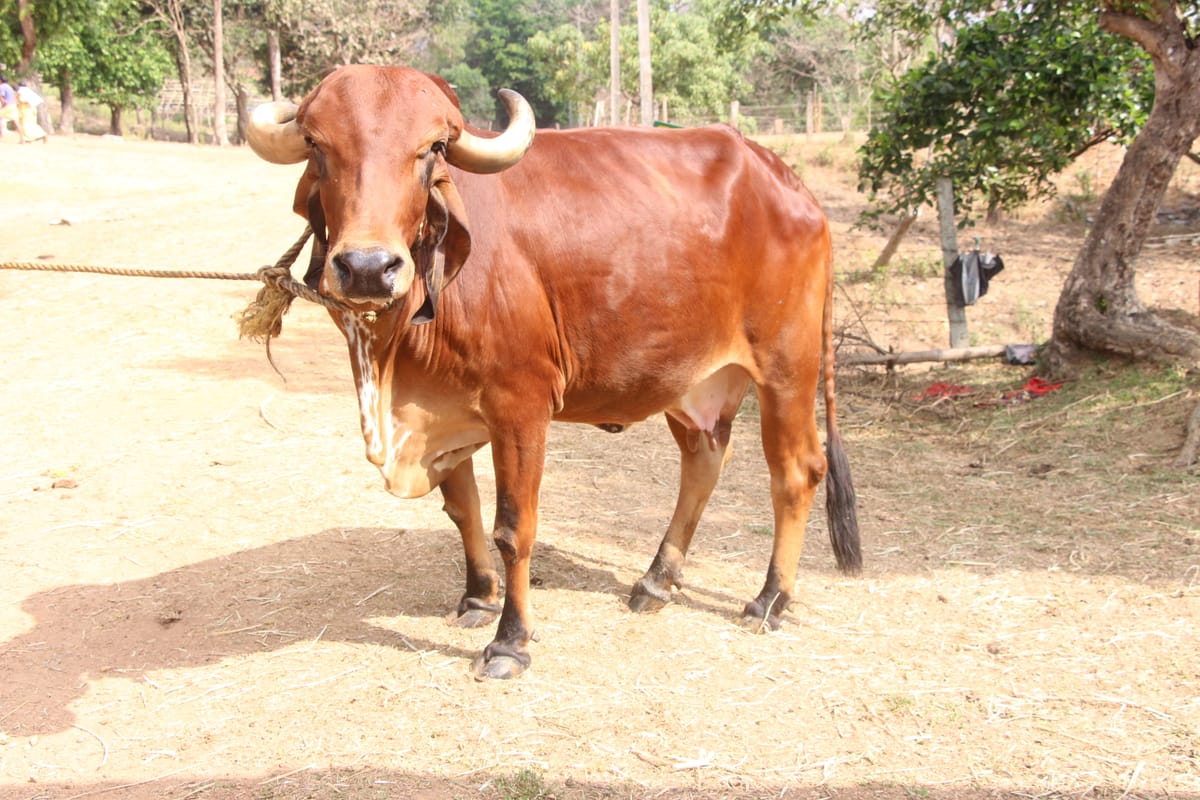
View Full Image
Stable Gujarat A2 milk
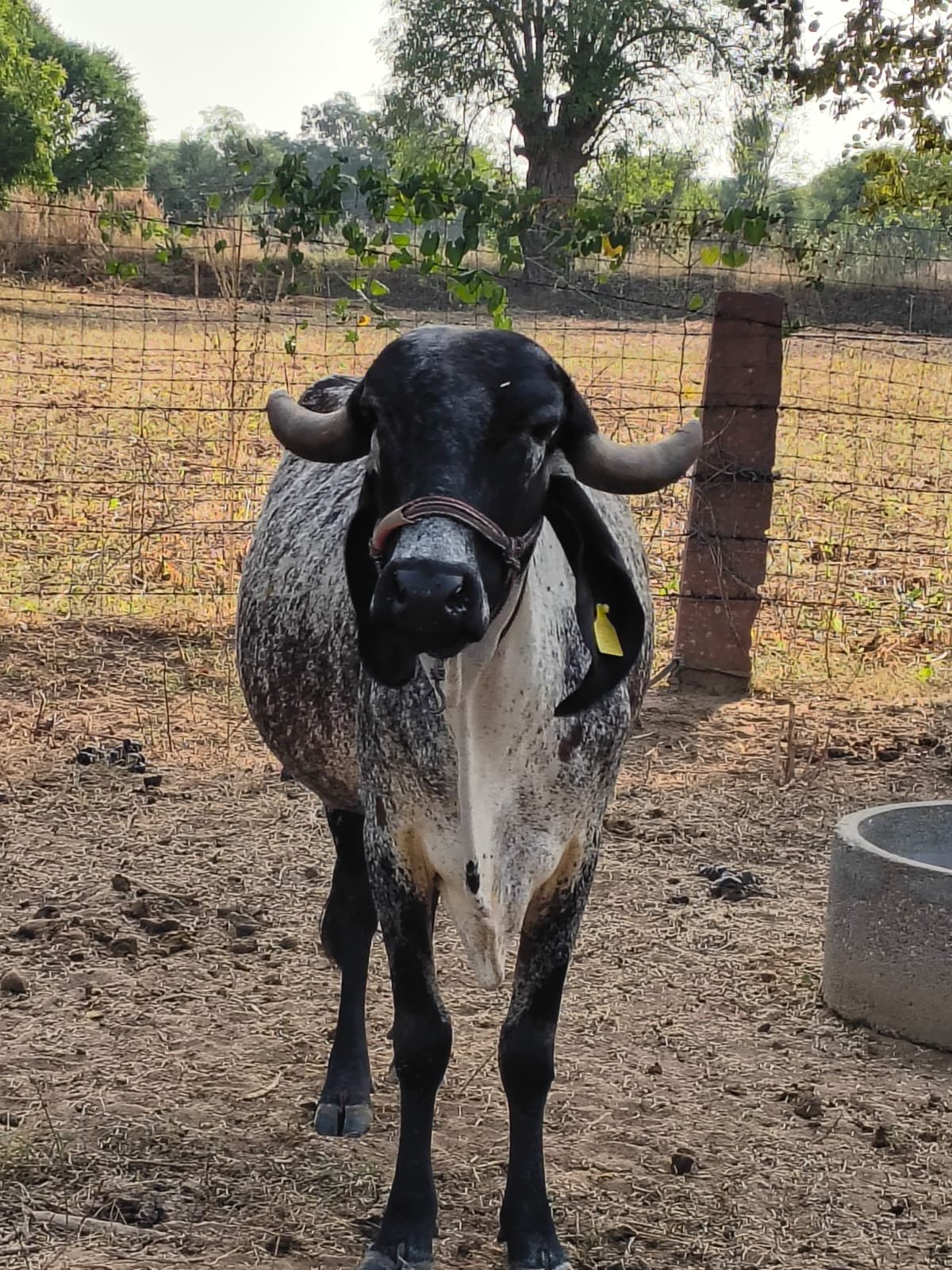
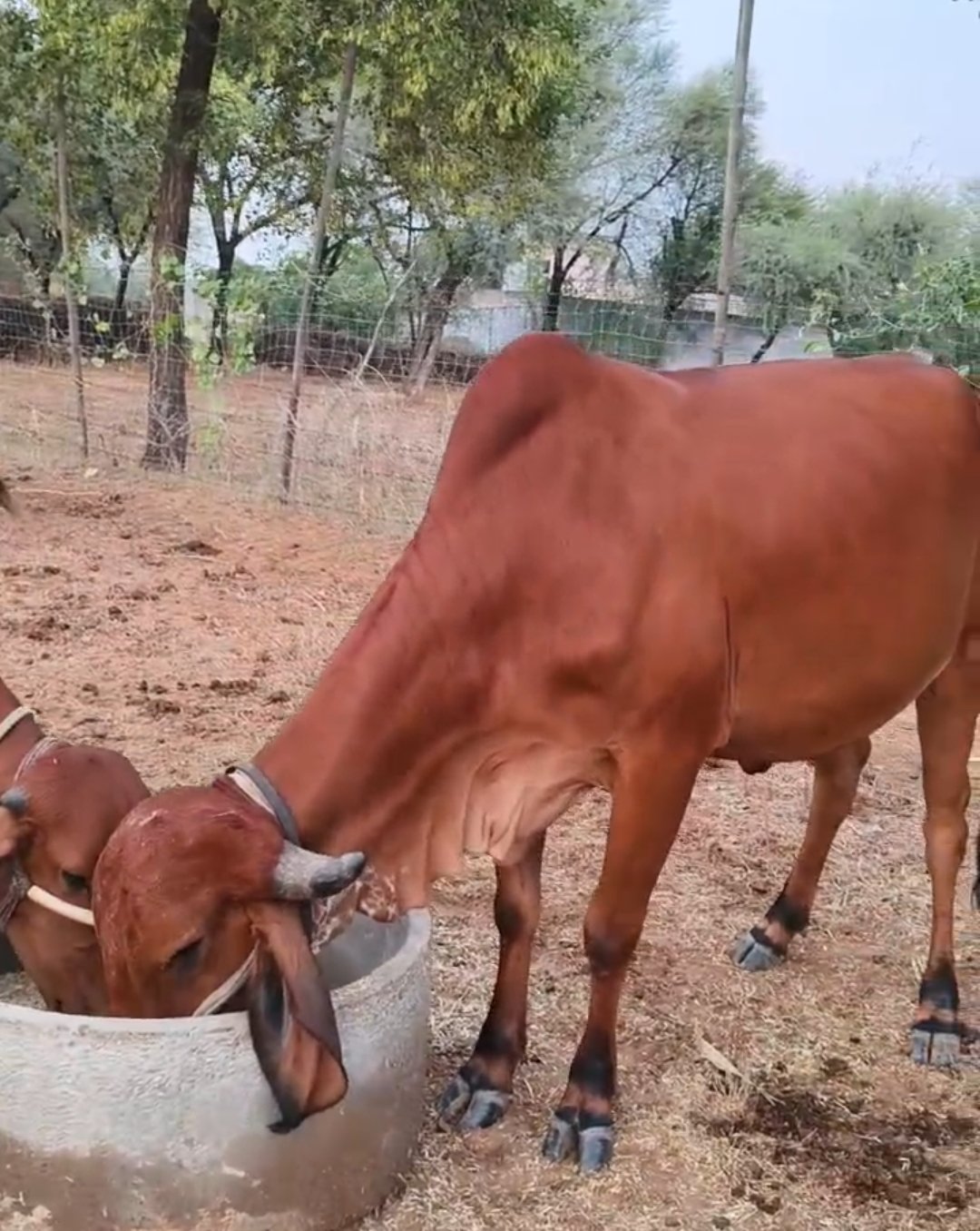
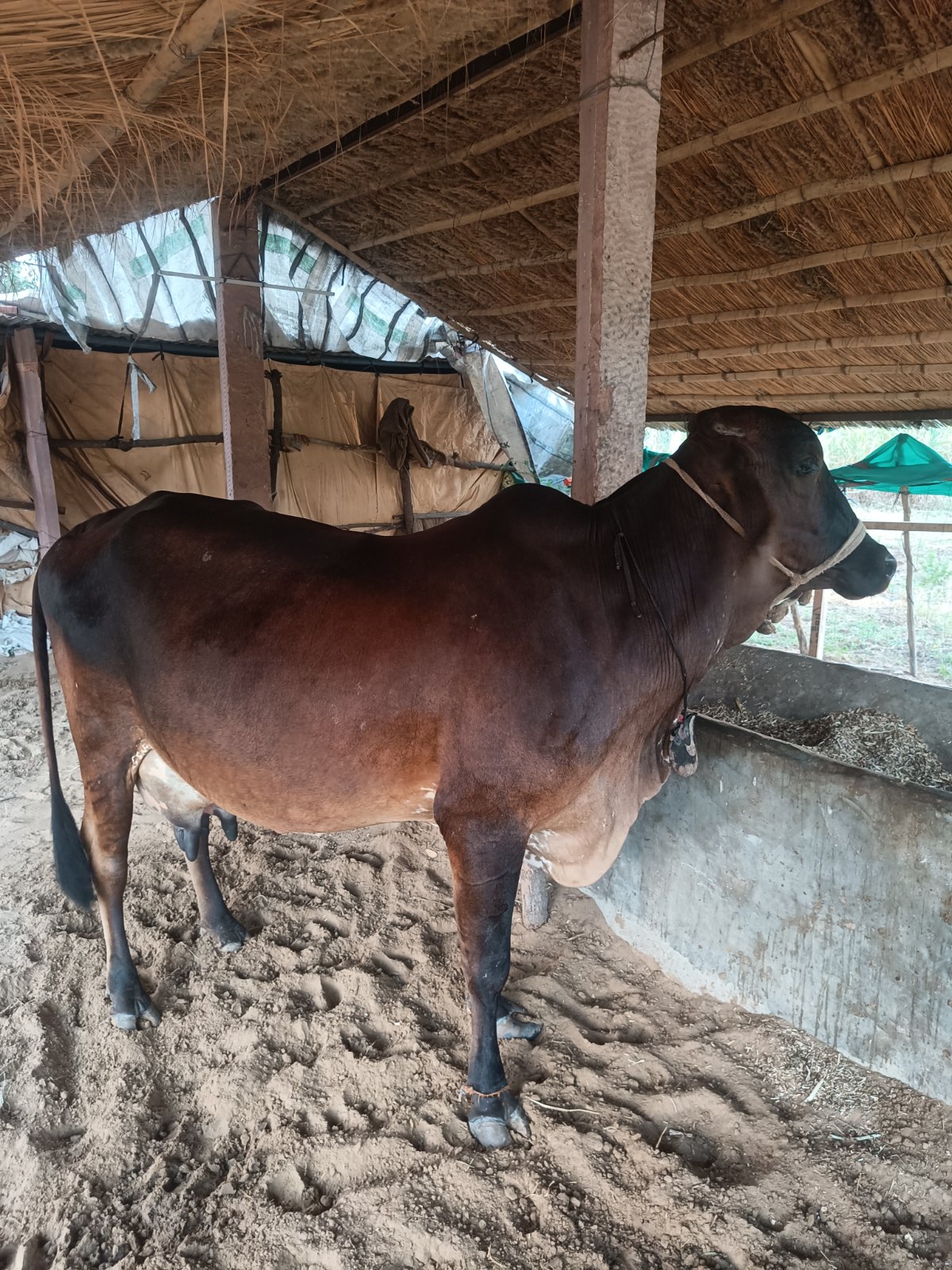
Gir Cow
ગીર / गीर
Also called: Geer, Gyr, Bhadawari
The sacred A2-milk cow from the forests of Saurashtra.
Native tract: Gir forests of Saurashtra — Junagadh, Amreli, Bhavnagar, Rajkot
Photo: Wikimedia Commons contributors · CC BY-SA
Milk per day (peak)
8–12 L
Gir cow price in India
Typical milking cow
₹50,000 – 1,20,000
Healthy, regular yield
Elite / registered lines
₹3,00,000 – 15,00,000
High yield, pedigreed
Regular healthy Gir milking cows from Saurashtra villages sit at the lower band. Registered Gir from Brazilian-genetics lines and high-yield cows (15+ L/day) routinely cross ₹5 lakh; nationally famous show cows have fetched ₹50 lakh+.
Monthly maintenance cost
Feed
₹3,500 – 5,500
Vet + vax
₹400 – 800
Approx. total
₹4,500 – 7,000
Gir is one of the cheapest indigenous cows to keep — heat tolerance and tick resistance cut vet bills sharply. Monsoon grazing access can knock feed cost down by ~30%.
A2 milk
Is Gir cow milk A2?
Yes. Gir produces A2 beta-casein milk by genetics — like all pure indigenous Indian (Bos indicus) breeds.
- Naturally A2 beta-casein — same protein structure as the milk of pre-industrial European cattle.
- Higher BCM-7 absence than A1 milk makes it easier on lactose-sensitive digestion.
- Higher fat content (4.5–5.0%) than most crossbreds — better ghee yield per litre.
- Brazilian Girolando (Gir × Holstein) is one of the few crossbreds where A2 lineage is preserved through careful breeding.
How to verify
A2 status follows the breed — any pure Gir is A2 by genetics. For commercial claims, ask the seller for a beta-casein genotype report from an NDRI-affiliated lab. Visual breed verification (convex forehead, lyre horns, pendulous ears) is the cheapest screen against crossbred substitution.
Gir vaccination schedule
Standard DAHD / ICAR schedule for indigenous Indian dairy cattle. Always confirm timing with your local vet.
| First dose | Vaccine | Cadence |
|---|
Compare Breeds
Select any two indigenous breeds to compare side-by-side.
| Feature | Gir | Sahiwal |
|---|---|---|
| Origin | Gujarat | Punjab |
| Daily Milk Yield | 8–12 L | 10–16 L |
| Lactation Yield | 1,800–3,500 L | 2,200–4,500 L |
| Milk Fat % | 4.5–5.0% | 4.5–5.5% |
| Adult Weight | 380–475 kg | 400–500 kg |
| Status | Stable | Stable |
| Coat Color | Glossy red or red-and-white pied; sometimes pure white. Reddish-yellow muzzle. | Reddish-dun to deep red; sometimes with white patches. Loose, droopy skin gives a calm appearance. |
| Milking Price | ₹50,000 – 1,20,000 | ₹55,000 – 1,30,000 |
| Maintenance | ₹4,500 – 7,000/mo | ₹5,000 – 8,000/mo |