Loading Go-LX...
View Full Image
Stable Punjab A2 milk
Sahiwal Cow
साहीवाल
Also called: Lola, Lambi Bar, Multani, Montgomery
The highest-yielding indigenous dairy breed of the subcontinent.
Native tract: Sahiwal district (now Pakistan); maintained in Indian Punjab, Haryana, Rajasthan, UP
Photo: Wikimedia Commons contributors · CC BY-SA
Milk per day (peak)
10–16 L
Milk per lactation (~300 days)
2,200–4,500 L
Milk fat
4.5–5.5%
Adult weight
400–500 kg
Distinctive features
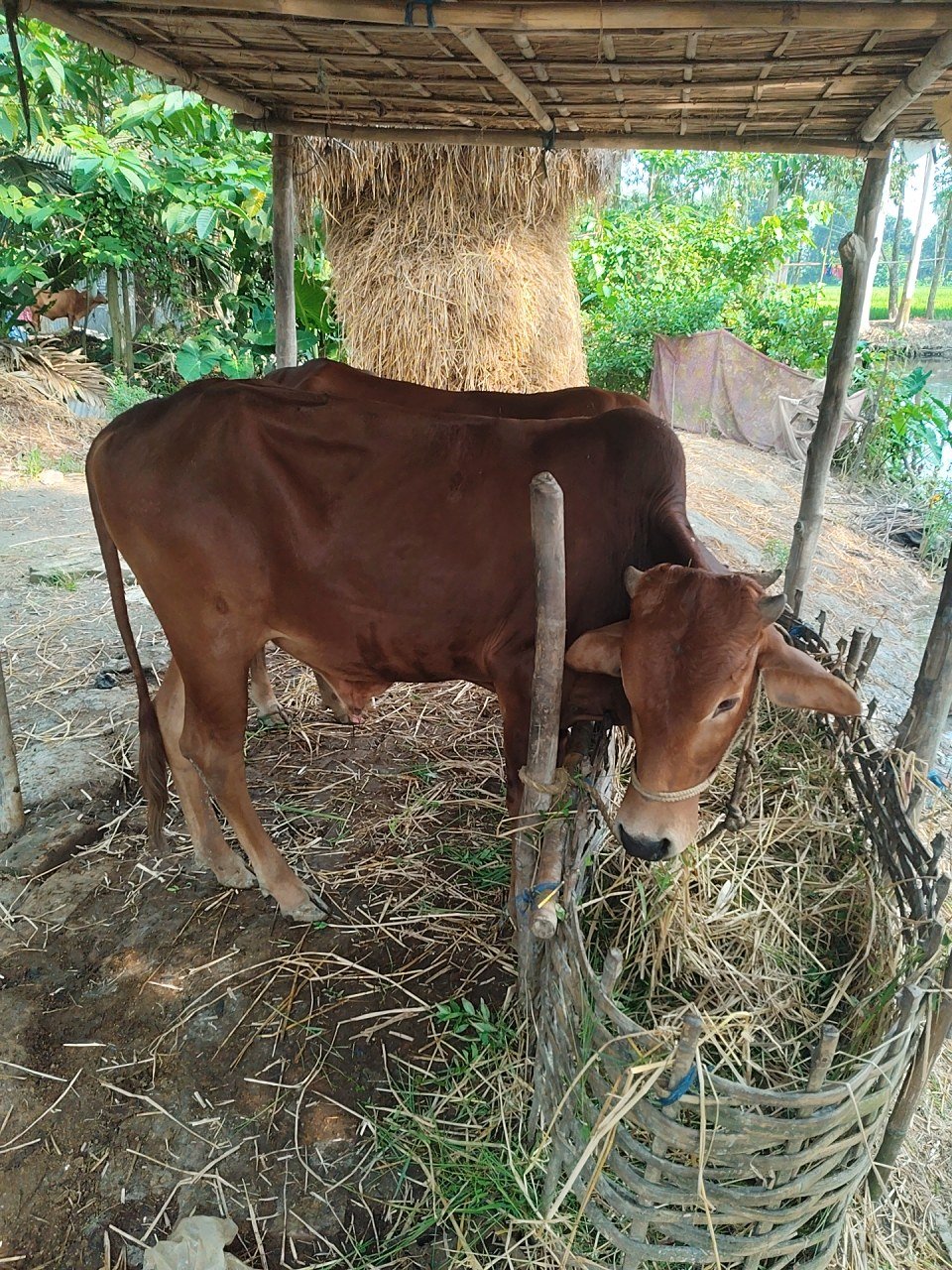
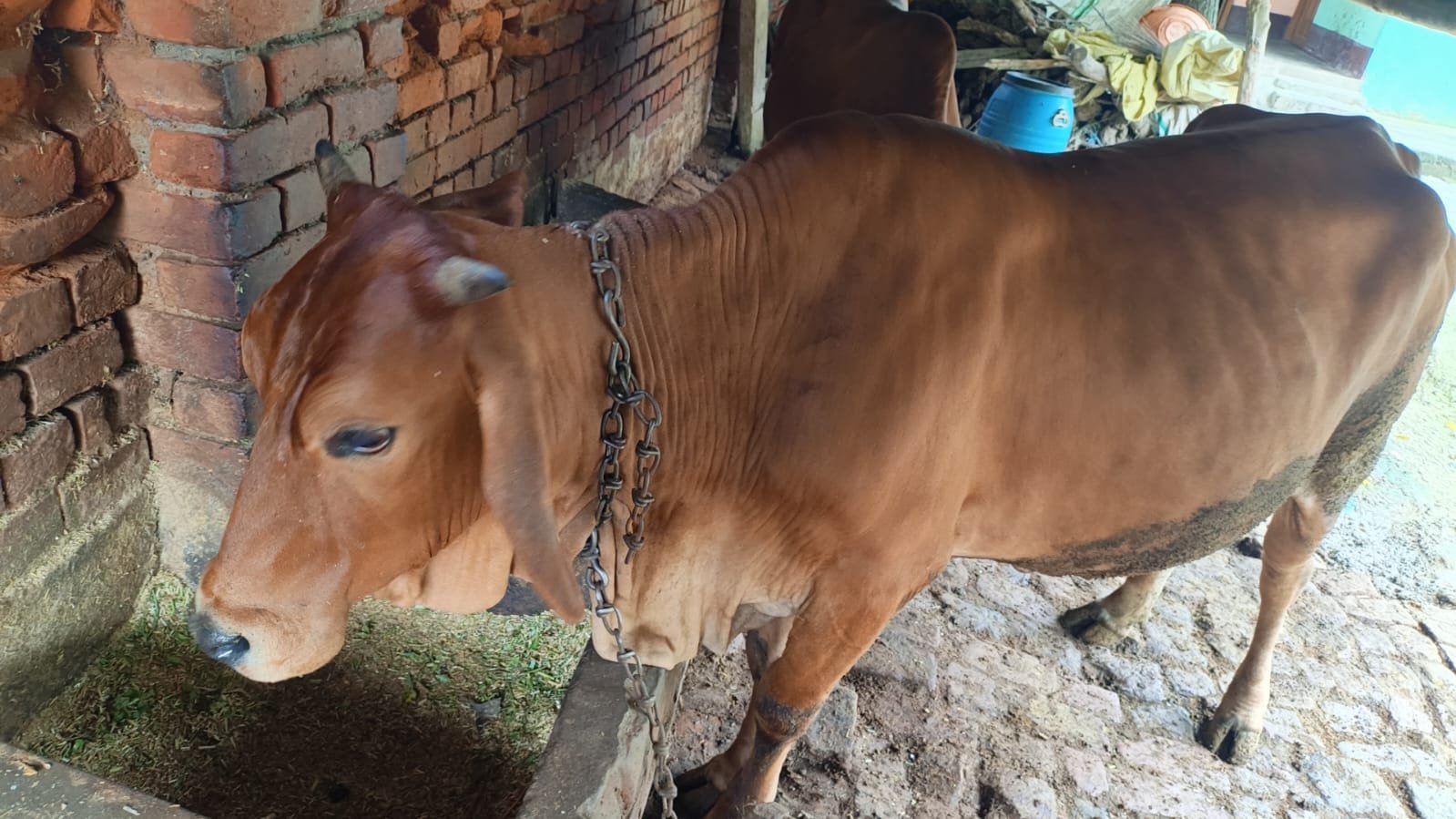
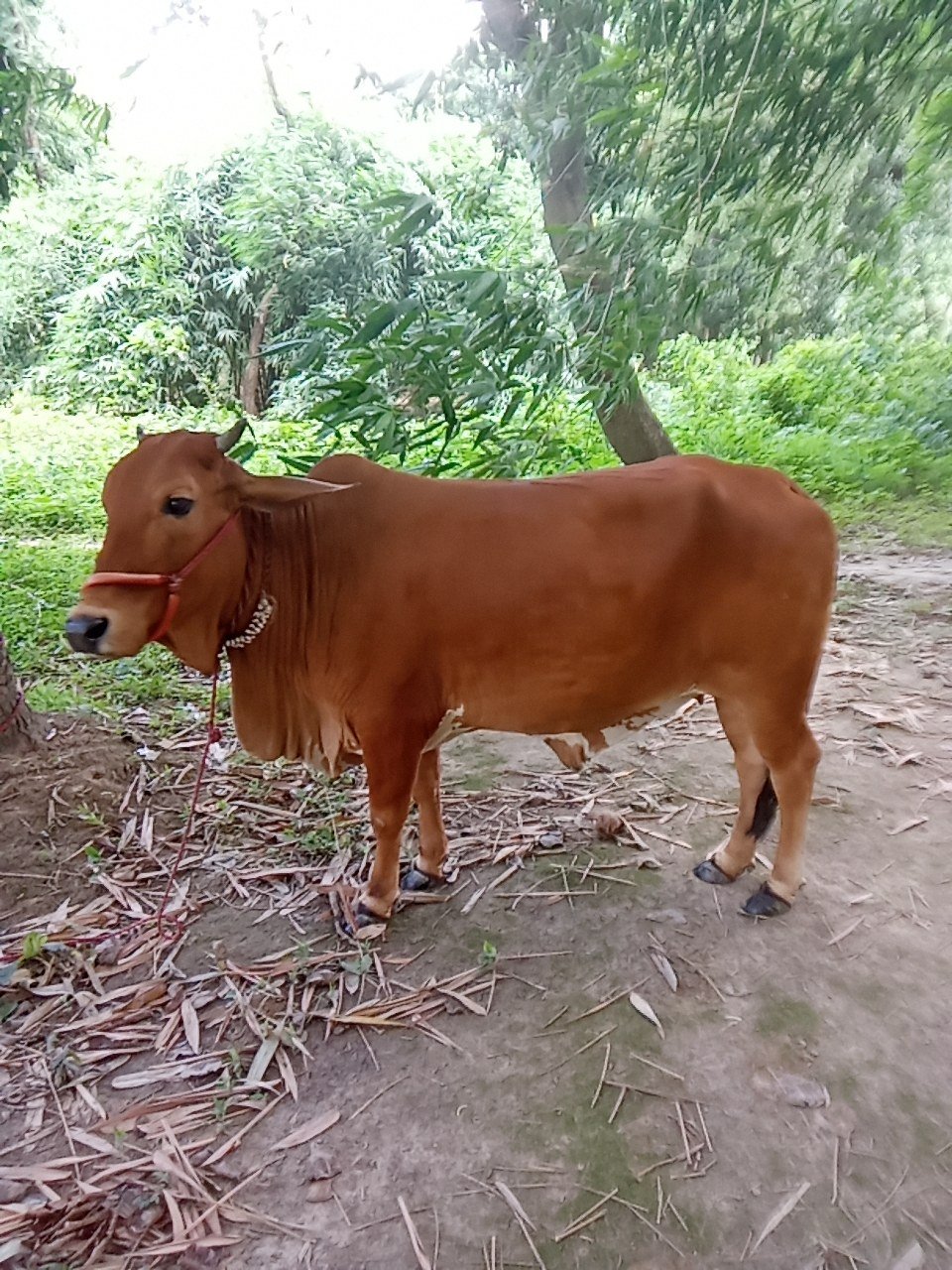
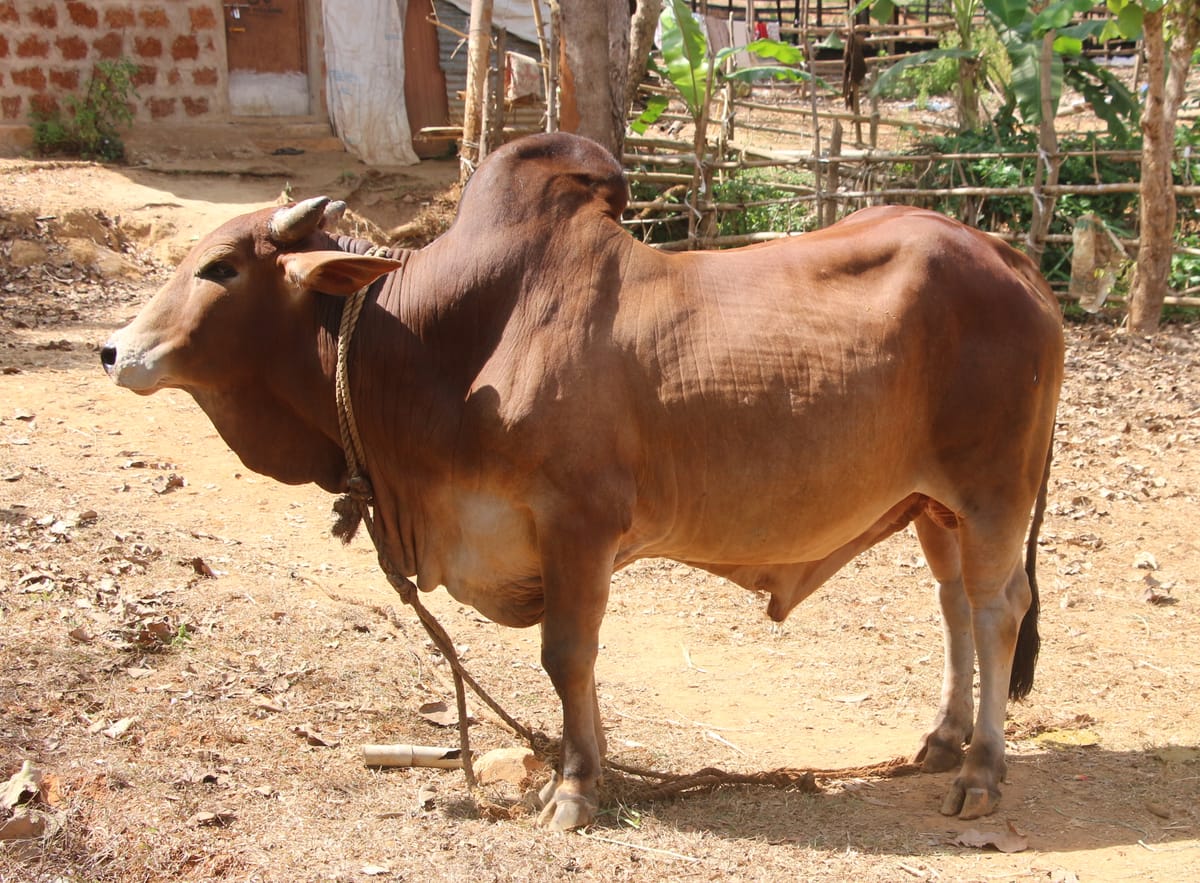
Coat: Reddish-dun to deep red; sometimes with white patches. Loose, droopy skin gives a calm appearance.
- Heavy, broad-backed body with a deep barrel
- Loose, hanging dewlap and large pendulous sheath in males
- Short, stubby horns curving outward
- Large udder with well-spaced teats — built for hand-milking
Temperament & utility
- Highest milk producer among zebu breeds — proven anchor of cross-breeding programmes
- A2 milk with notable fat richness
- Highly heat-tolerant; thrives in 40°C+ summers
- Docile to the point of being affectionate — easy for women and children to handle
History & lineage
Sahiwal originates from the dry Sahiwal district of present-day Punjab in Pakistan. After Partition, India's herds dispersed across Punjab, Haryana, UP, and Rajasthan. Sahiwal genetics travelled the world — they form the basis of Kenya's national dairy industry, are crossed into Australia's tropical herds, and contributed to Jamaica's "Jamaica Hope" breed. ICAR maintains nucleus herds at NDRI Karnal and CIRC Meerut, and the breed has been used to upgrade the milk yield of countless local zebus.
Why Sahiwal matters
If India is to feed itself without importing dairy genetics, Sahiwal is the cornerstone. Every litre a Sahiwal produces displaces a litre that would otherwise require a heat-stressed, antibiotic-dependent HF crossbred. The breed proves indigenous Indian cows can match commercial yields without sacrificing health.
Sahiwal cow price in India
Typical milking cow
₹55,000 – 1,30,000
Healthy, regular yield
Elite / registered lines
₹2,00,000 – 8,00,000
High yield, pedigreed
Sahiwal commands a slight premium over Gir for equivalent body condition because of its higher peak yield. Registered cows from NDRI Karnal and CIRC Meerut nucleus herds anchor the elite band.
Monthly maintenance cost
Feed
₹4,000 – 6,500
Vet + vax
₹400 – 900
Approx. total
₹5,000 – 8,000
Sahiwal eats more than Gir — bigger body, higher yield. Concentrate ratio matters: under-feeding a 16 L cow cuts both milk and reproductive performance. Stick to 1 kg concentrate per 2.5 L milk above maintenance.
A2 milk
Is Sahiwal cow milk A2?
Yes. Sahiwal produces A2 beta-casein milk by genetics — like all pure indigenous Indian (Bos indicus) breeds.
- A2 beta-casein, fat 4.5–5.5% — among the richest A2 milk profiles of any zebu breed.
- High solids-not-fat (SNF) content makes Sahiwal milk a workhorse for paneer, khoa and traditional dairy products.
- Form basis of Kenyan, Australian and Pakistani A2 dairy programmes — a globally proven A2 breed.
- Calf vigour at birth (25–30 kg) signals strong colostrum quality vs crossbreds.
How to verify
Sahiwal is pure-zebu, so A2 status is genetic. Watch out for HF × Sahiwal crossbreds being sold as Sahiwal — pure Sahiwal has a loose dewlap, droopy sheath in males, and short outward-curving horns. Pure-breed certification from a registered breeder or genetic test from NDRI removes doubt.
Sahiwal vaccination schedule
Standard DAHD / ICAR schedule for indigenous Indian dairy cattle. Always confirm timing with your local vet.
| First dose | Vaccine | Cadence |
|---|
Compare Breeds
Select any two indigenous breeds to compare side-by-side.
| Feature | Sahiwal | Gir |
|---|---|---|
| Origin | Punjab | Gujarat |
| Daily Milk Yield | 10–16 L | 8–12 L |
| Lactation Yield | 2,200–4,500 L | 1,800–3,500 L |
| Milk Fat % | 4.5–5.5% | 4.5–5.0% |
| Adult Weight | 400–500 kg | 380–475 kg |
| Status | Stable | Stable |
| Coat Color | Reddish-dun to deep red; sometimes with white patches. Loose, droopy skin gives a calm appearance. | Glossy red or red-and-white pied; sometimes pure white. Reddish-yellow muzzle. |
| Milking Price | ₹55,000 – 1,30,000 | ₹50,000 – 1,20,000 |
| Maintenance | ₹5,000 – 8,000/mo | ₹4,500 – 7,000/mo |